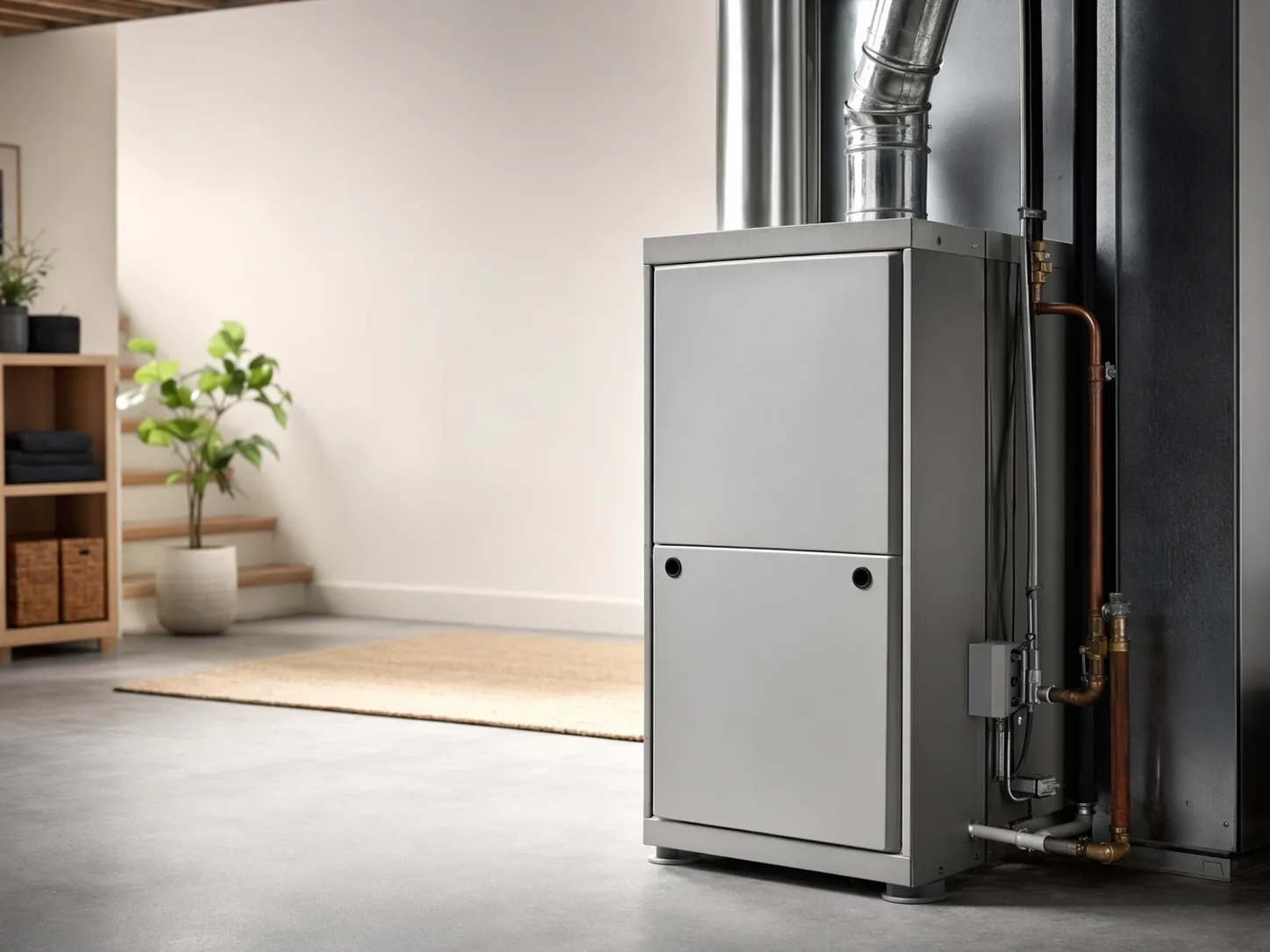
Your older Bay Area house may be a good heat pump candidate, but the hard part is not picking the outdoor unit. The real problems are usually the electrical panel, tight ducts, small returns, hallway closets, and getting the work in the right order so you do not pay twice.
A heat pump retrofit in a 1950s Pleasanton ranch is not the same job as a newer Dublin tract home or a narrow Peninsula house with the furnace jammed in a closet. The equipment matters. The house decides what will actually work.
Start with the house, not the heat pump brochure
Older homes in Pleasanton, Livermore, Dublin, San Mateo, and across the Peninsula need a site check before equipment selection. The first visit should not start with, "What tonnage do you want?" It should start with access, airflow, power, and load.
A proper retrofit review looks at:
- Existing furnace location and whether a new air handler will fit
- Duct condition in the attic, crawlspace, garage, or walls
- Return air size and filter location
- Electrical panel capacity and available breaker space
- Thermostat wiring and whether extra conductors are needed
- Refrigerant line route between indoor and outdoor equipment
- Outdoor unit location, clearances, sound, drainage, and service access
Do not copy the size from the old furnace or AC nameplate. A gas furnace may have been oversized for years. An old AC may have been picked by rule of thumb. A heat pump needs to match the house load and the duct system.
One ton of cooling or heat pump capacity equals 12,000 BTU per hour. That number is useful, but it is not a design method. The right size comes from the house, not from a sticker on 25-year-old equipment.
That is why the site visit should come before the equipment order. For older homes, heat pump retrofit and HVAC installation planning should include the panel, ducts, access, permits, and startup requirements before anyone locks in a model.
Electrical capacity has to be checked early
A central split heat pump normally needs a dedicated 240V branch circuit. The exact wire size, breaker size, minimum circuit ampacity, and maximum overcurrent protection come from the equipment nameplate and manufacturer data. They should not be guessed.
Many older Bay Area homes have one or more electrical issues:
- Full panels with no clean breaker space
- Older breaker types that may be hard to match
- Limited spare capacity for new HVAC loads
- Long conduit runs from the panel to the outdoor unit
- Panels located far from the best equipment location
- Existing circuits that cannot be reused
Before ordering equipment, the contractor or electrician needs to review the service load, main service size, panel space, and route to the heat pump. In some homes, a subpanel may solve the layout problem. In others, a panel upgrade or service upgrade may be needed.
When panel work, new circuits, or service changes are involved, a licensed electrician has to be part of the plan. The HVAC contractor should coordinate the equipment requirements, but the electrical work has to meet the National Electrical Code and local inspection requirements.
The sequence matters. Electrical review should happen before installation scheduling. If the heat pump arrives and the panel cannot support it, the job stalls. That can trigger change orders, rescheduling, permit delays, and extra trips.
This is especially common in older Pleasanton and Peninsula homes where the panel location, outdoor unit location, and best refrigerant line route do not line up cleanly.
Duct sizing can make or break the retrofit
Older ducts built for gas heat often do not move enough air for a modern heat pump. Gas furnaces can sometimes push hot air through rough duct systems and still make the house feel warm. Heat pumps depend more on steady airflow.
Return air is a common weak point. A return grille that was barely acceptable for the old furnace may choke a new air handler. Small returns raise static pressure, increase noise, reduce capacity, and can shorten equipment life.
The duct review should include:
- Supply trunk and branch sizes
- Return grille and return duct sizing
- Static pressure readings
- Duct leakage
- Insulation level in attics, crawlspaces, and garages
- Crushed, kinked, disconnected, or poorly supported flex duct
- Filter size and restriction
Typical forced-air HVAC design airflow is commonly about 350 to 450 CFM per ton, but the manufacturer specifications and actual static pressure must control the final setup. A 3-ton system on paper is not really a 3-ton system if the ducts cannot move the air.
Homeowners feel duct problems right away. The system may sound loud at the return. Some rooms stay weak. The heat pump may short cycle. Utility bills can climb. In some cases, the equipment may lock out or show airflow-related faults.
Good design uses the right references. Manual J is used for residential heating and cooling load calculations. Manual S is used for equipment selection. Manual D is used for duct design. Those three steps help keep the system matched to the house instead of forcing new equipment onto old ductwork that cannot support it.
The right order prevents expensive surprises
A clean retrofit follows an order. When that order gets skipped, the job usually gets more expensive or less comfortable.
A good sequence looks like this:
1. Site visit and access review 2. Manual J load calculation 3. Duct inspection and airflow review 4. Electrical panel and circuit review 5. Equipment selection using Manual S 6. Permit planning 7. Installation scheduling 8. System startup and airflow setup 9. Homeowner walkthrough
California heat pump installations generally require permits, and local requirements should be checked with the city or county before work starts. Pleasanton, Livermore, Dublin, San Mateo County, and Peninsula cities can have different submittal steps, inspection timing, and documentation requirements.
If a panel upgrade or service upgrade is needed, the schedule may depend on more than the HVAC crew. The electrician, permit office, and utility may all be involved. In the Bay Area, that coordination can affect the timeline more than the heat pump installation itself.
Skipping the early steps causes the common problems: change orders, failed inspections, poor airflow, thermostat issues, or a system that cannot deliver full capacity. The heat pump may be fine. The problem is that the home was not ready for it.
Startup matters too. The installer should verify refrigerant charge by the manufacturer procedure, confirm airflow, test heating and cooling operation, check condensate drainage, set thermostat controls, and explain filter maintenance. A retrofit is not complete when the unit turns on. It is complete when it runs correctly under the conditions of that house.
What the quote should spell out
Heat pump retrofit pricing depends on the whole scope, not just the outdoor unit. Electrical work, duct corrections, equipment type, access, permits, line-set routing, condensate work, thermostat wiring, and whether the home already has usable central air infrastructure all affect the final number.
That is why a Bay Area HVAC installation quote should separate the major parts of the job instead of hiding everything under one vague line item.
Before you sign, check current rebates and credits. Bay Area incentive programs and funding windows change, and equipment eligibility can be specific. Programs to check include BayREN Home+, TECH Clean California, and any active PG&E or local city electrification programs. Do not pick a model based on an old rebate flyer.
Also check current federal tax credit rules before assuming a credit applies. The federal Energy Efficient Home Improvement Credit under IRC Section 25C was changed after 2025, so a 2026 installation needs current tax guidance, not last year’s sales sheet.
A written proposal for an older home should spell out:
- Indoor and outdoor equipment model numbers
- AHRI matched system information
- Load calculation basis
- Duct repair, replacement, or modification scope
- Electrical scope and who performs it
- Thermostat and control work
- Permit responsibility
- Startup checklist
- Warranty terms for labor and equipment
Red flags are easy to spot. Be careful with tonnage-only quotes, proposals with no duct review, no electrical notes, no permit discussion, or no plan for airflow measurements. In older Bay Area homes, the missing details are usually where the expensive surprises hide.
If you are comparing bids, compare the scope, not just the equipment size. A lower number that ignores ducts, panel capacity, permits, and startup can cost more after the work begins. A professional HVAC installation scope should make clear what is included, what is excluded, and what must be verified before installation day.
Talk to an Onzone tech
If you have an older Bay Area home and want to know whether the panel, ducts, and installation sequence are ready for a heat pump, get a practical retrofit review before you commit to equipment.
Call Onzone Heating & Cooling at (650) 698-7979, or request help through our HVAC installation page. We will look at the house first, then the heat pump.