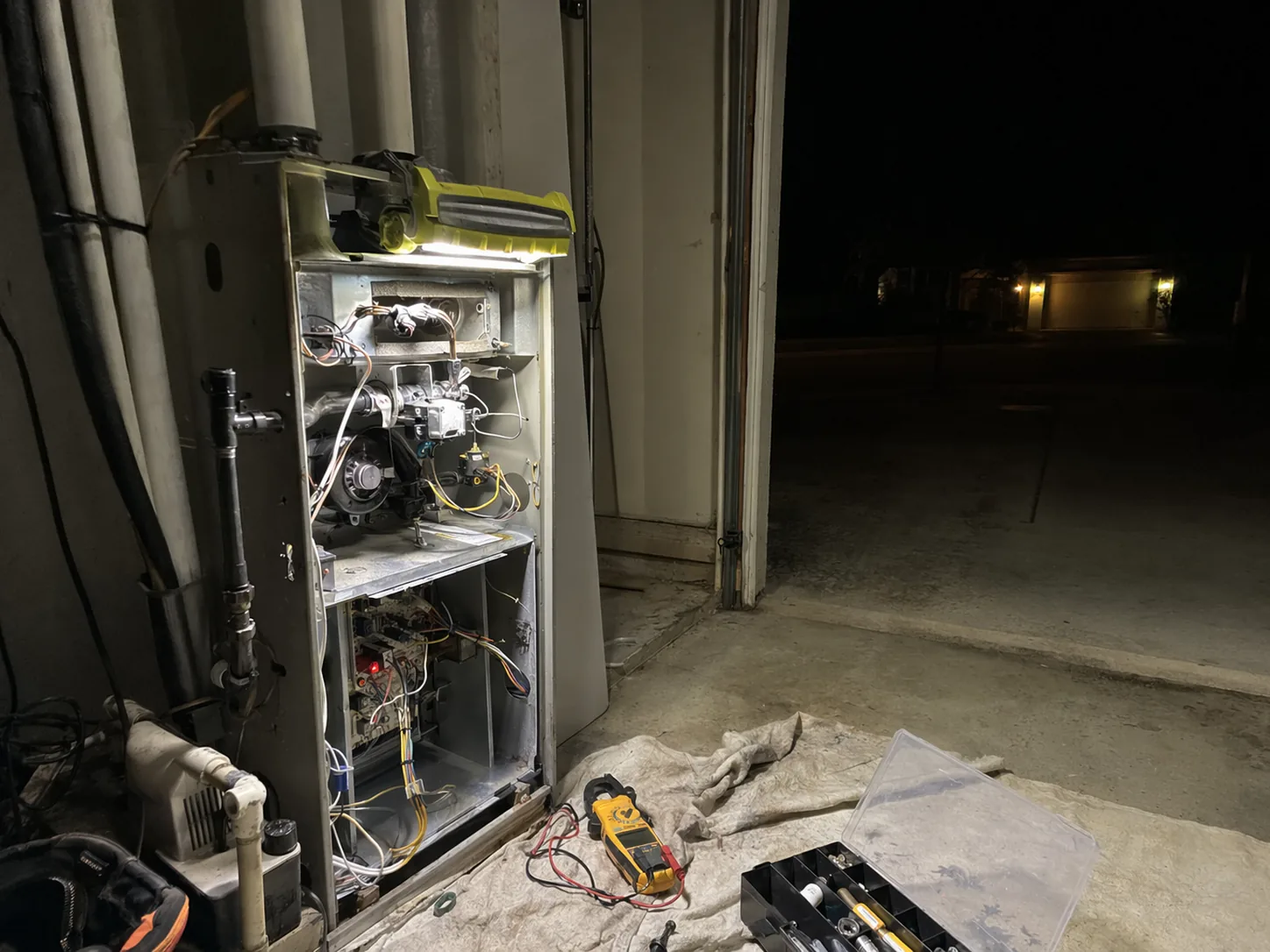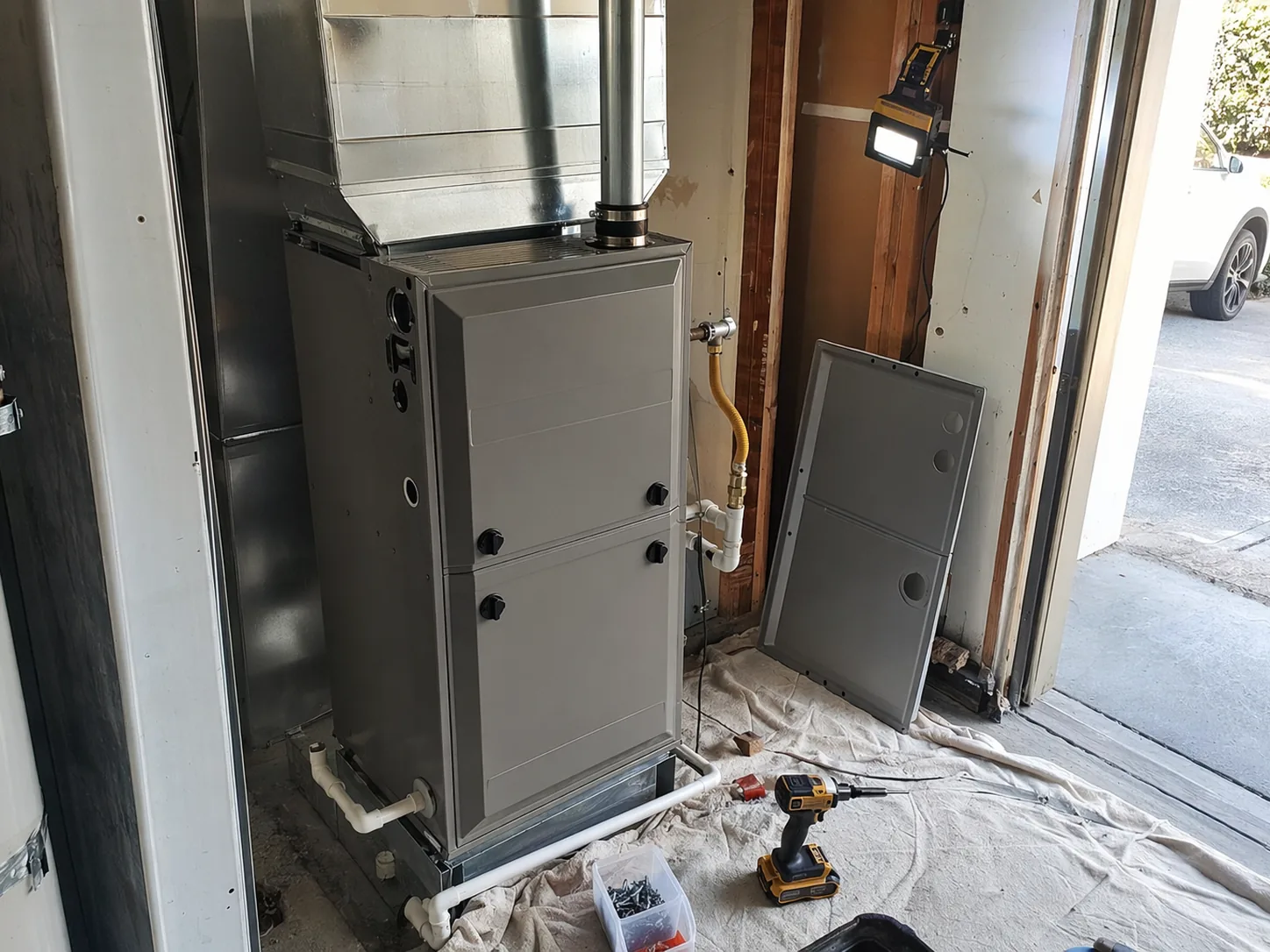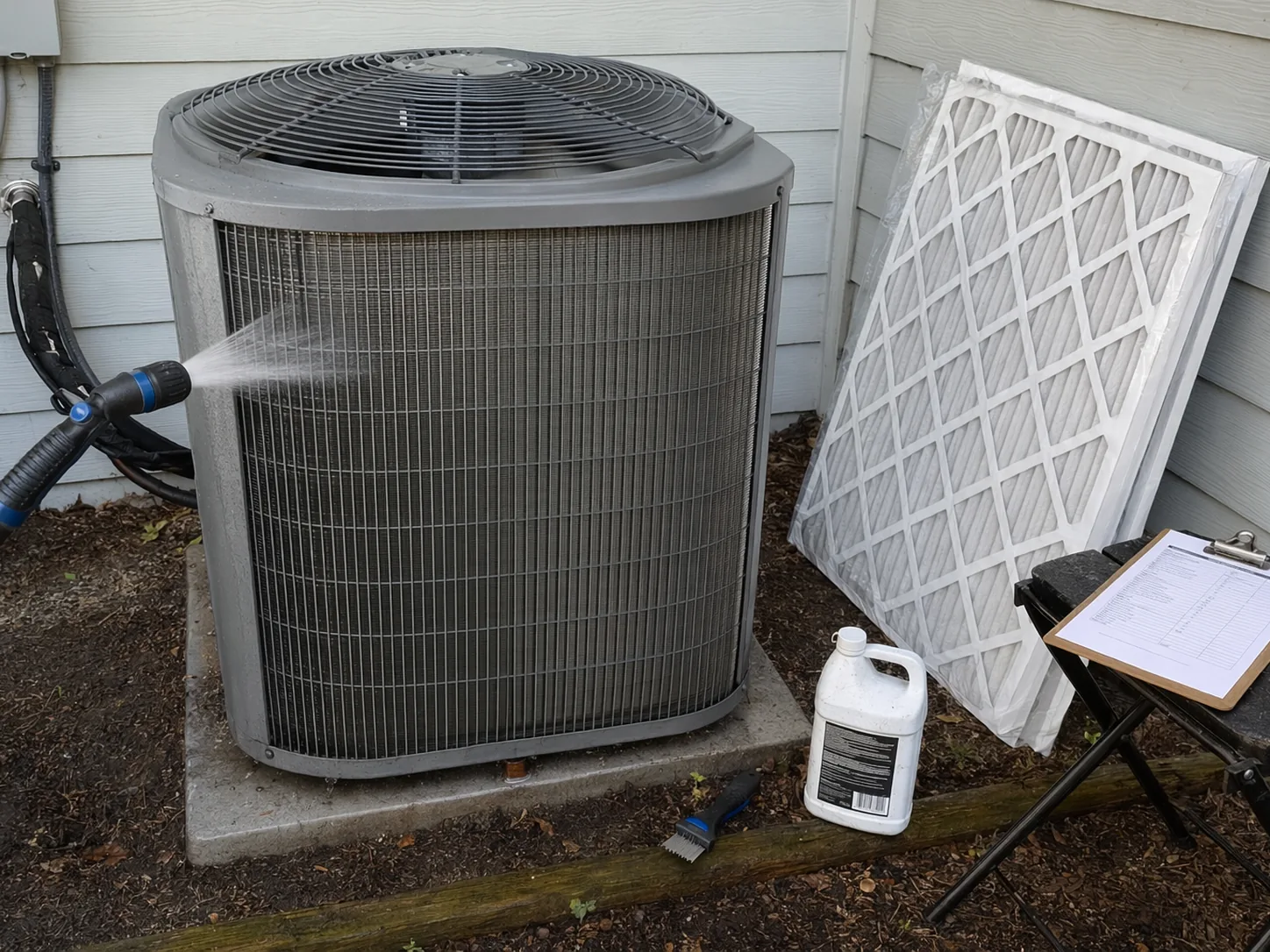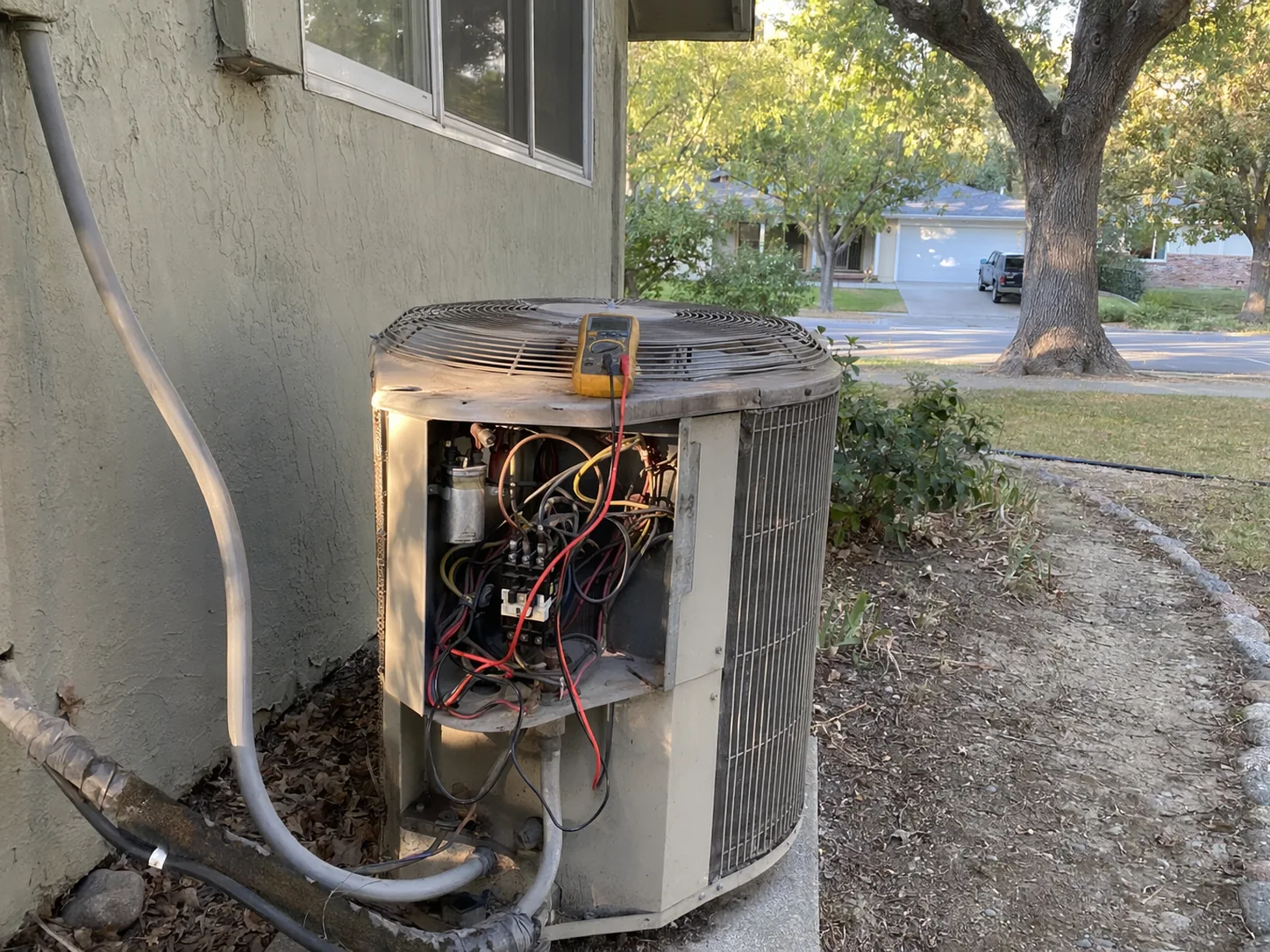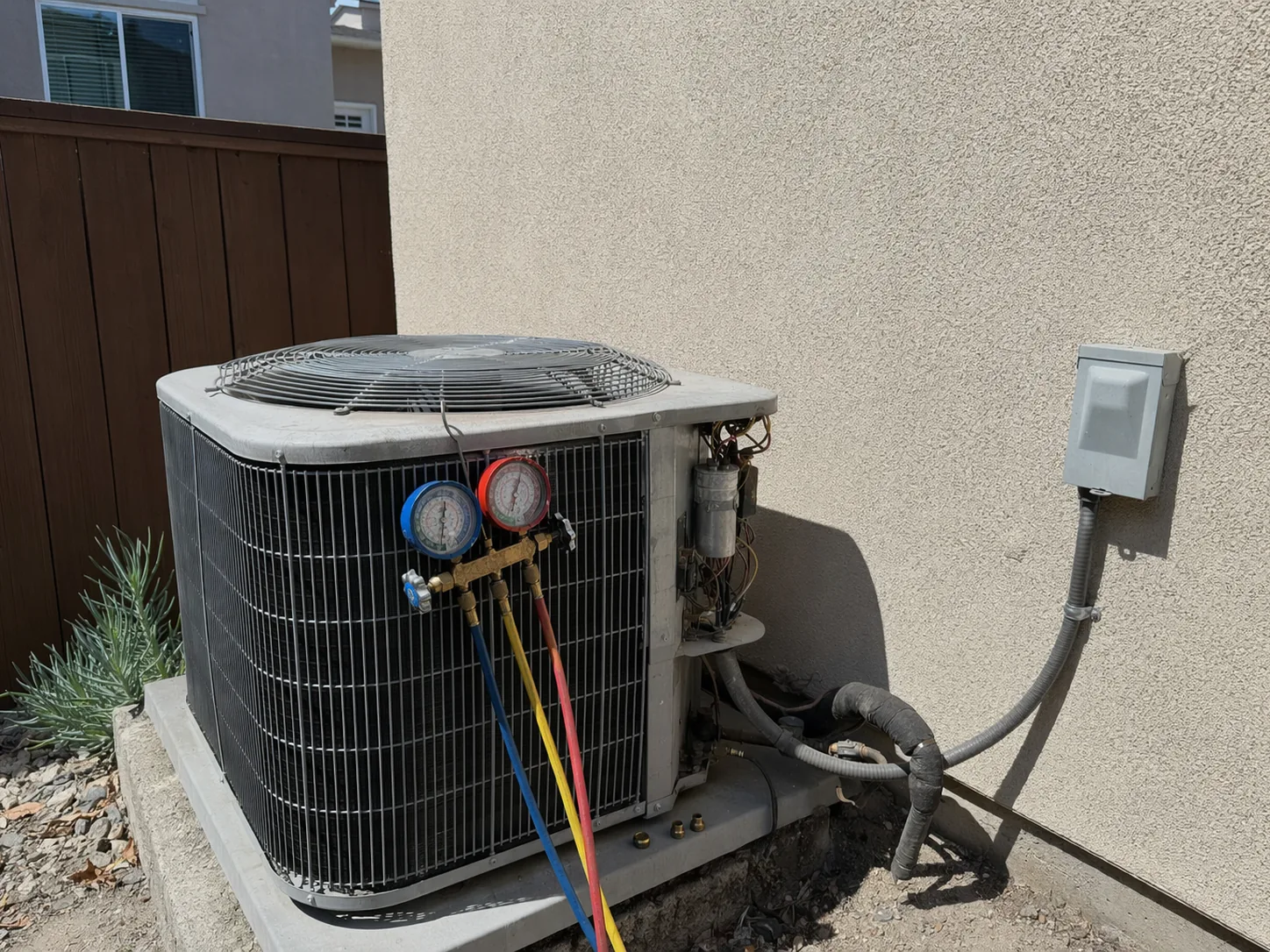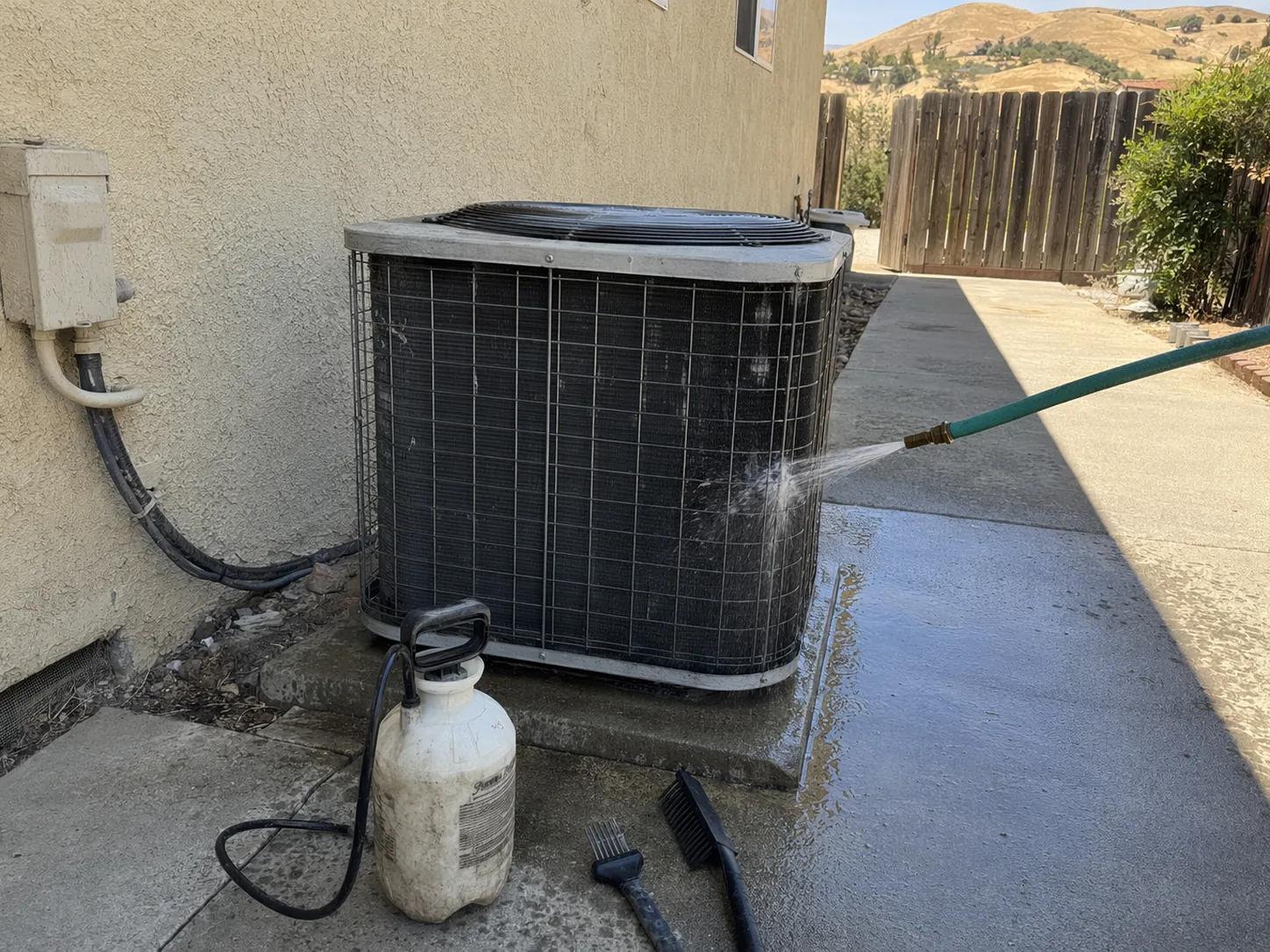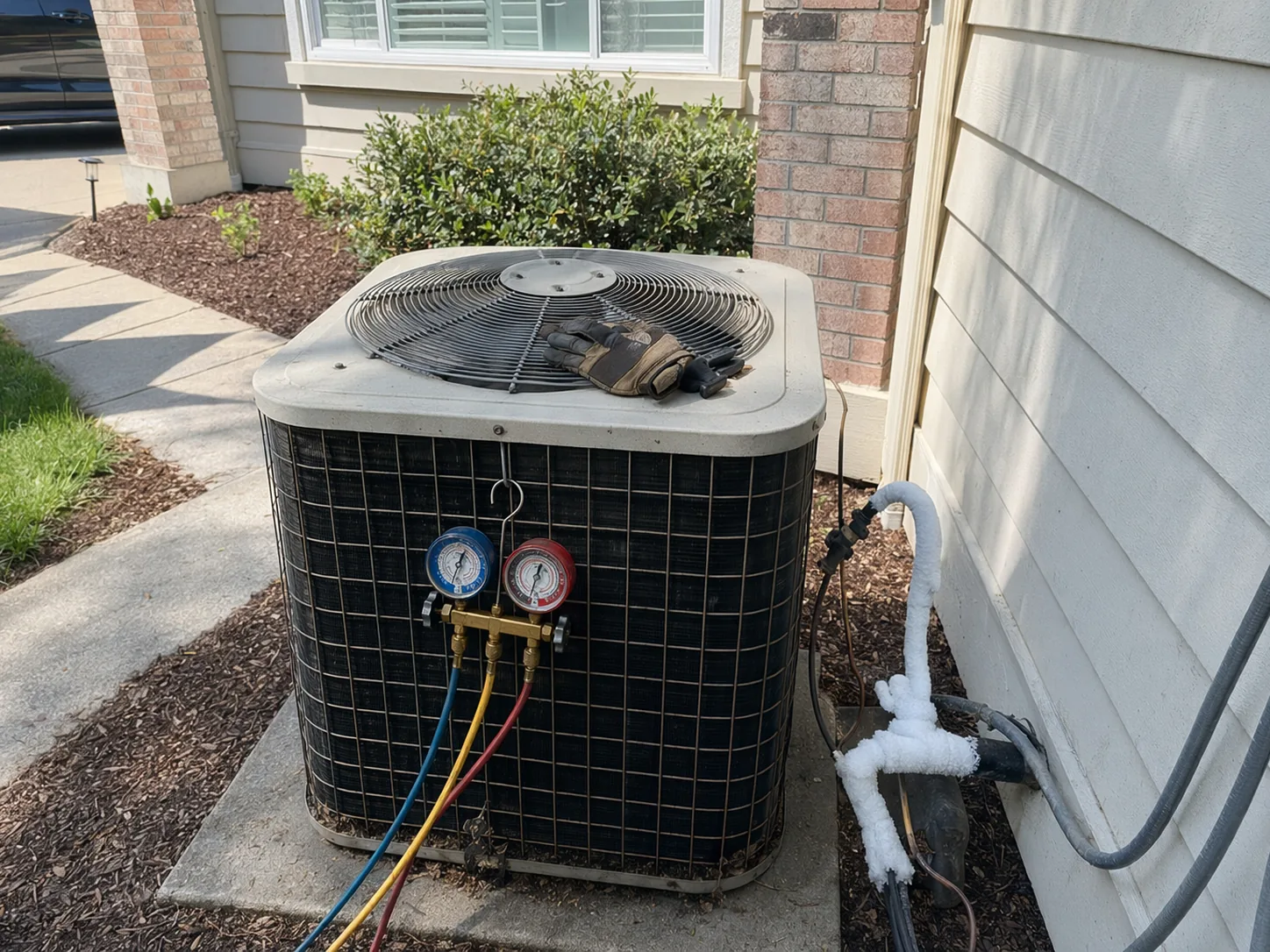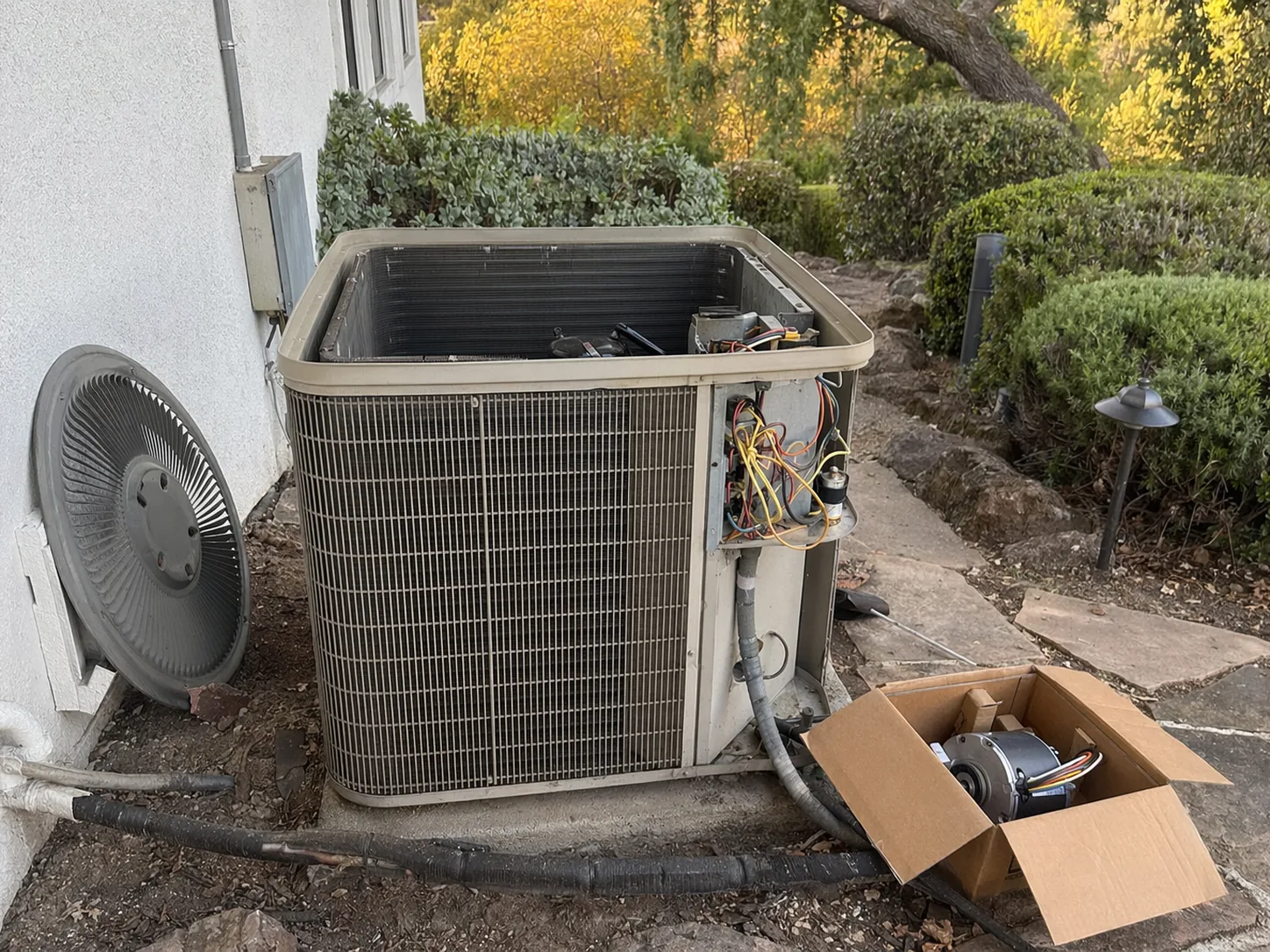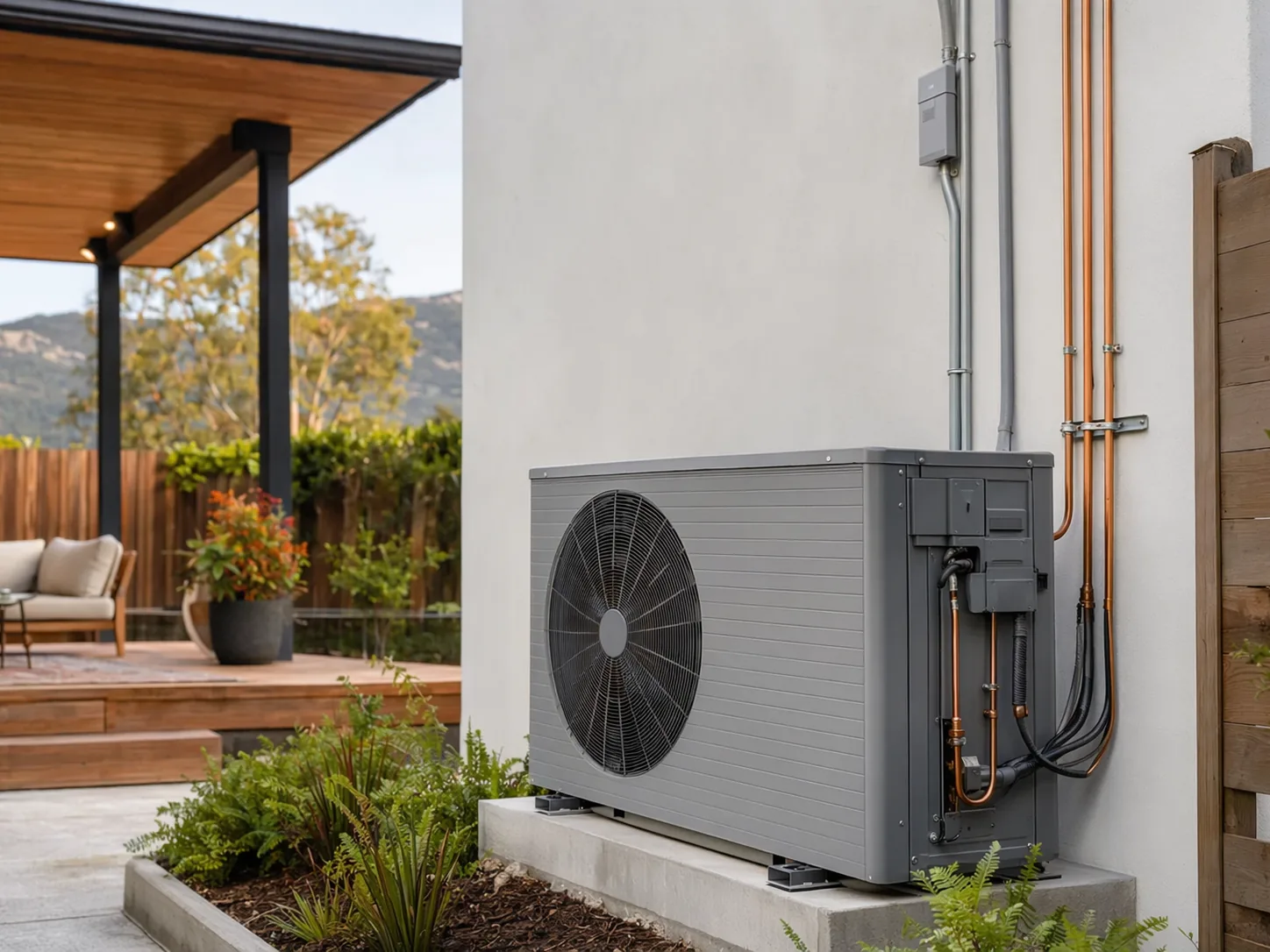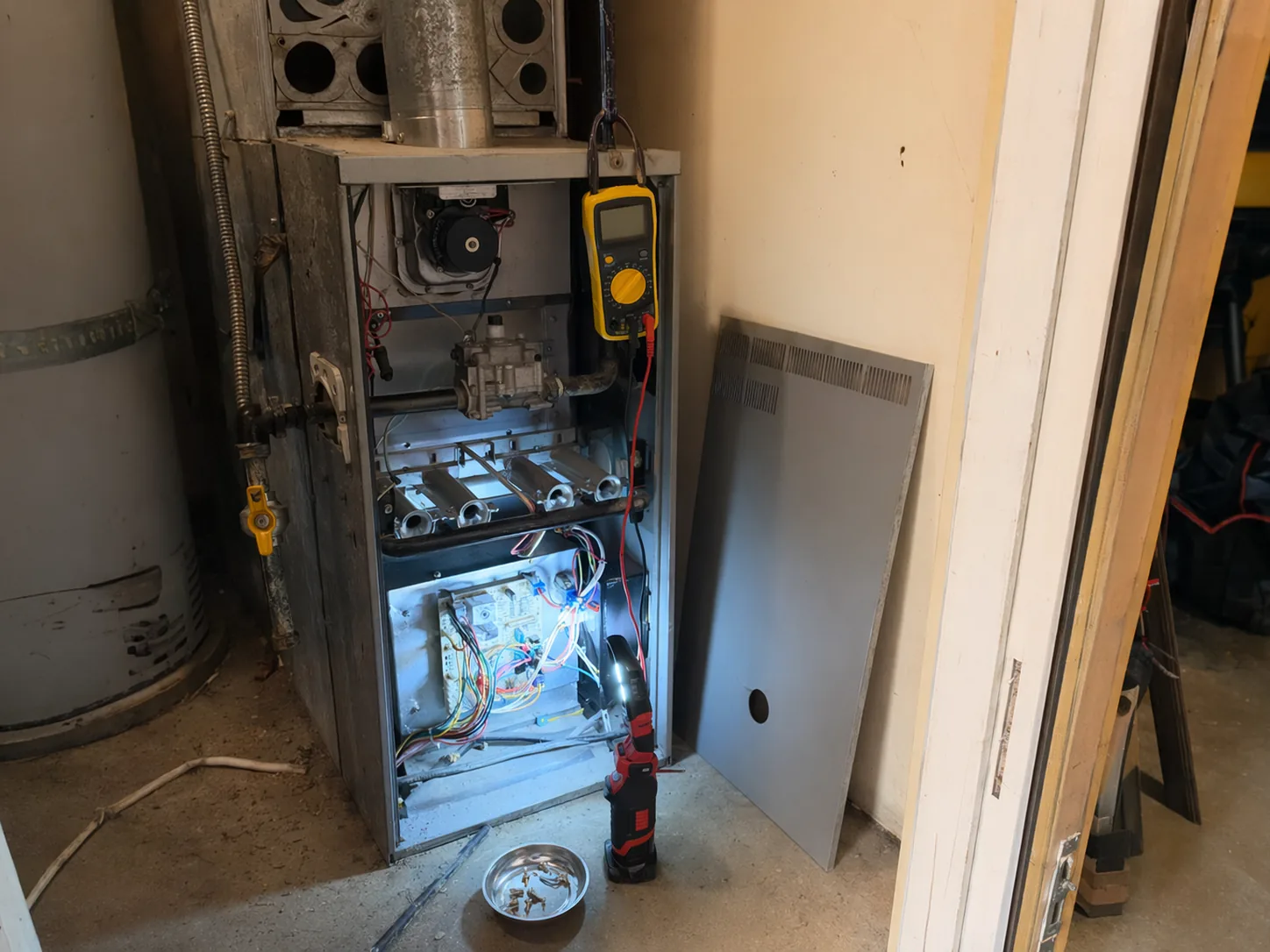
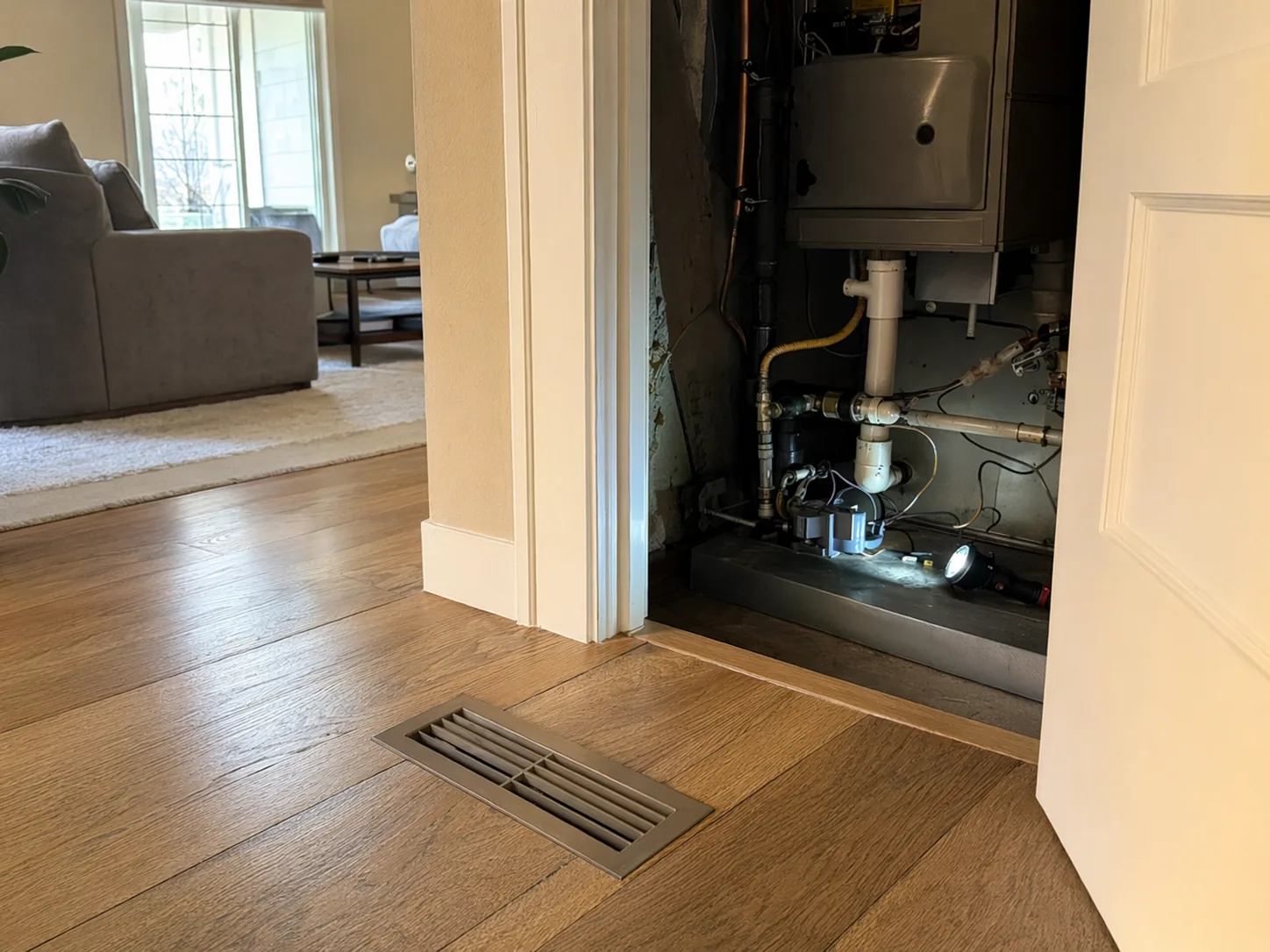
It is 6am, the house is 54 degrees, and the furnace clicks but does not fire. Onzone runs same-day furnace repair across the Bay Area. Gas, electric, heat pump, dual-fuel, residential and commercial.
Every gas system we touch gets a combustion safety check and a written diagnostic report. No-heat calls jump to the front of the queue every time.
Your thermostat calls for heat, but the furnace or heat pump runs without delivering warm air to the rooms.
The system starts, stops, and restarts quickly, often pointing to airflow restrictions, flame sensing, limit, or thermostat issues.
Gas furnaces may click, spark, or attempt ignition without lighting because of igniters, gas valves, burners, or safety controls.
In heating mode, a heat pump can blow cool air when reversing valves, defrost controls, sensors, or refrigerant charge are off.
Every gas furnace we service gets a CO sweep and combustion analysis. Heat that is also safe is the whole job, not a paid add-on.
No-heat calls are dispatched first during cold weather. Bay Area winter mornings can hit the 30s; we do not make you wait two days for a furnace.
You get a written report at the end of every call: what was wrong, what we did, what to watch. Useful for insurance, warranty claims, and future service.
That pattern is short-cycling. The most common causes are a dirty filter, a failing flame sensor, a thermostat in a bad location, or a furnace oversized for the house. Most are inexpensive to fix once we diagnose. Annual maintenance catches this before it strands you.
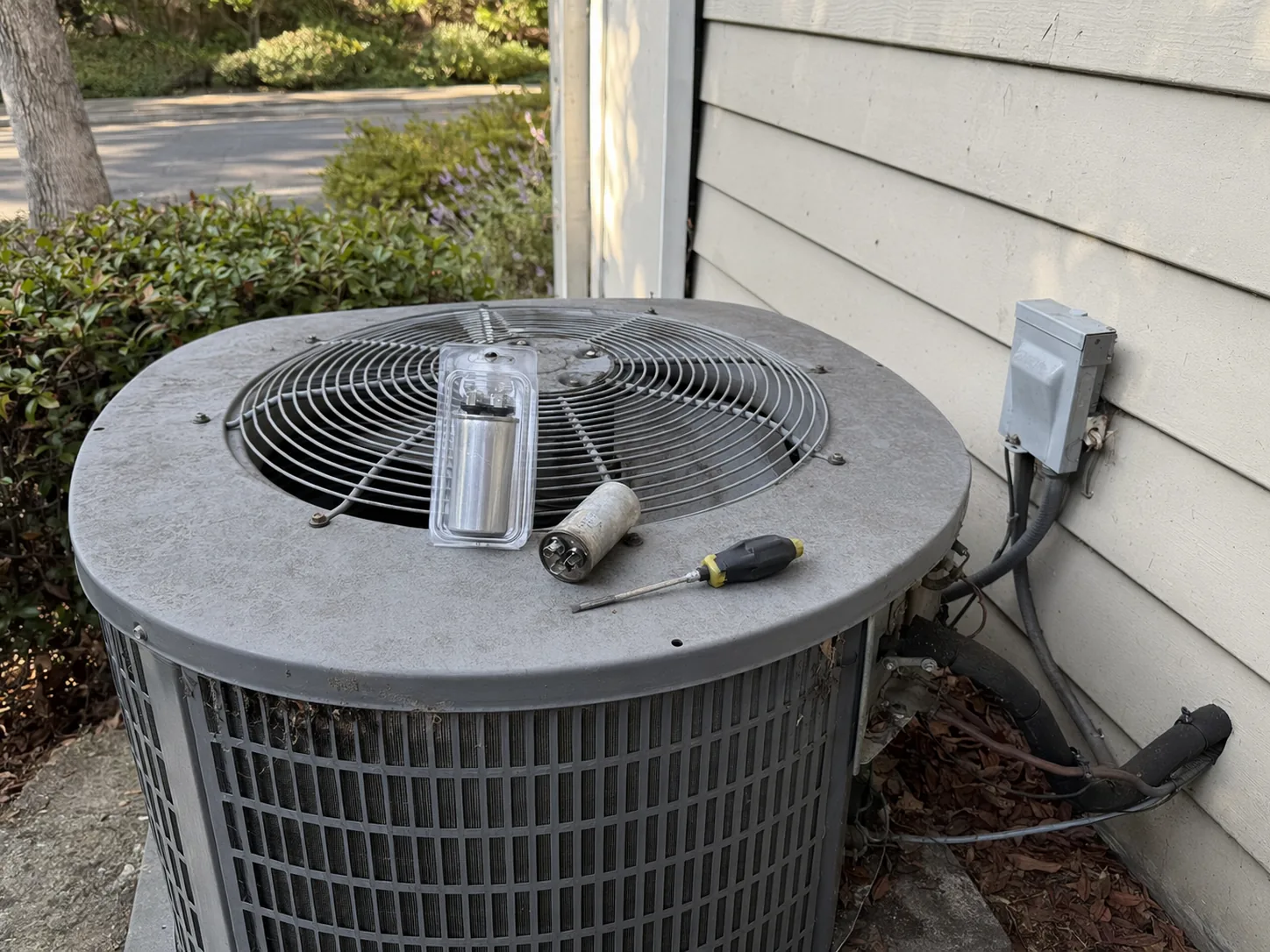
The diagnostic fee is flat. Most common repairs (igniter, flame sensor, capacitor, control board) fall in the $200–$700 range. Larger jobs (blower motor, heat exchanger) are quoted in writing before any work starts.
If the unit is 15+ years old and the quote exceeds half the cost of a new install, replacement usually wins on both efficiency and reliability. We will lay out both numbers honestly. We do not commission-sell replacements. Installation details here.
Yes. Heat pump repair is some of our most common work, especially in newer Bay Area construction: reversing valves, defrost controls, refrigerant charge, contactors. Ducted and ductless mini-split systems both.
Yes. A cracked heat exchanger can leak combustion gases (including carbon monoxide) into the indoor air. If we find one, the furnace gets red-tagged and we walk you through the options the same visit. If you suspect CO right now, call us or step outside and call 911.