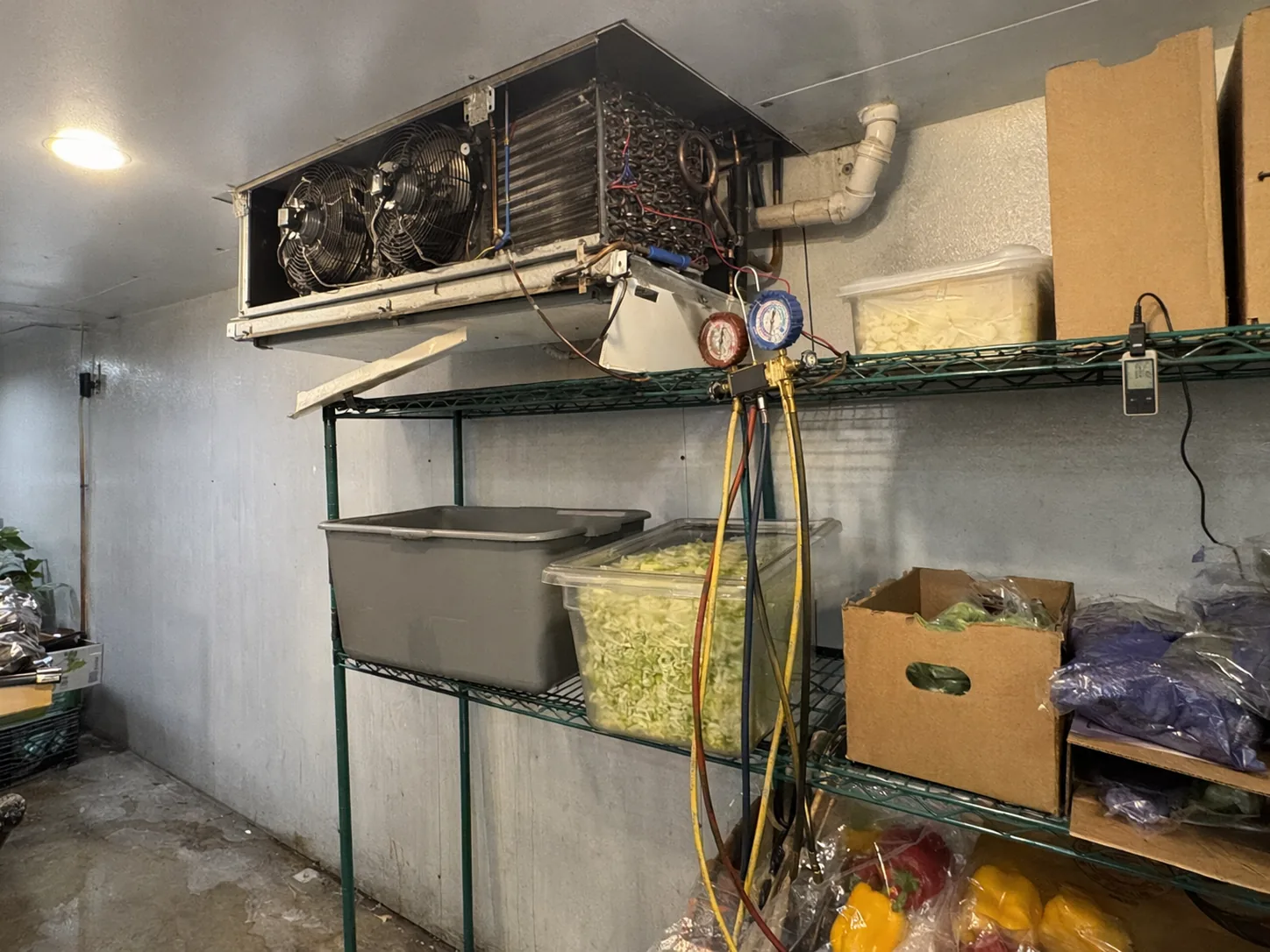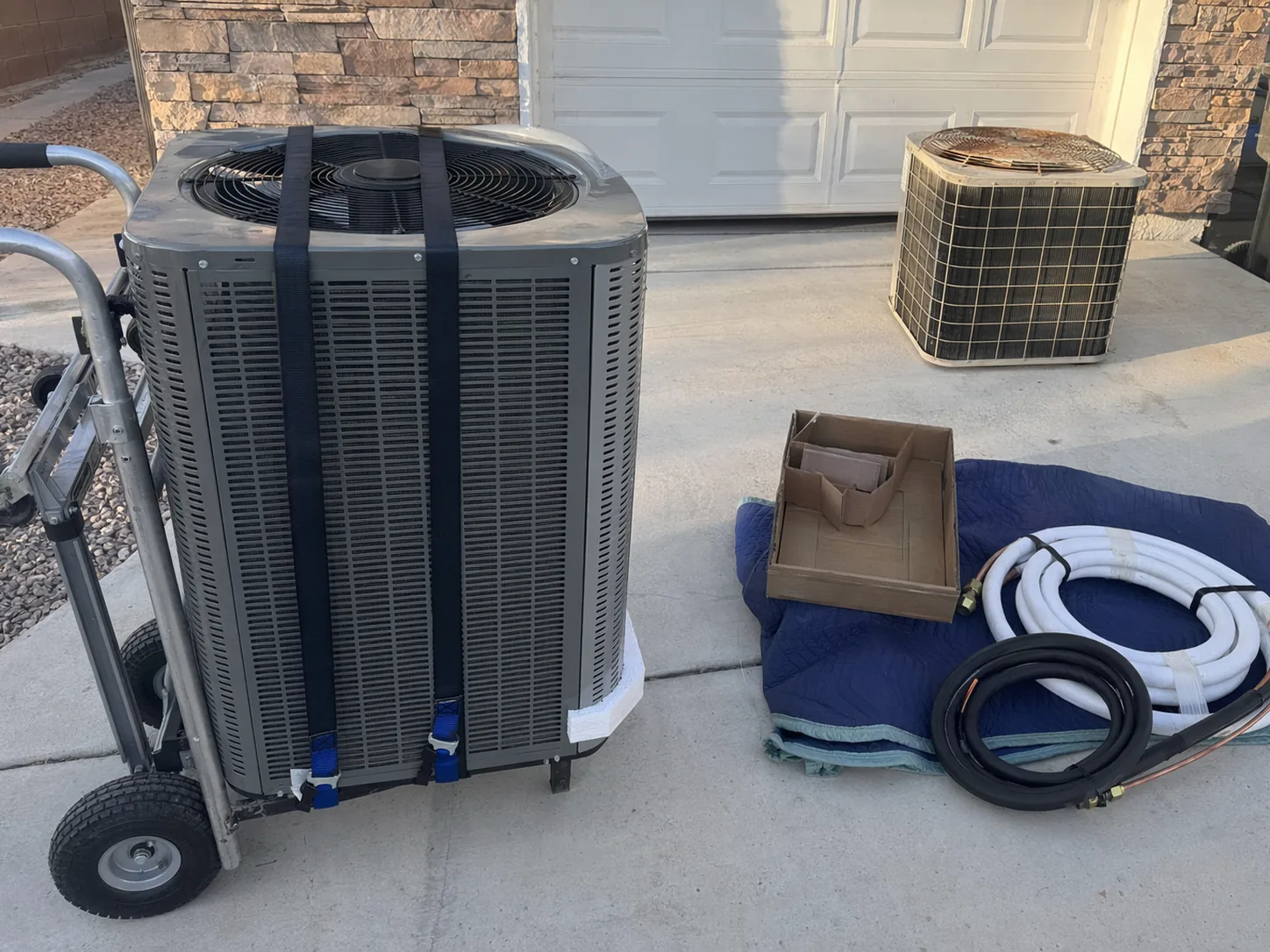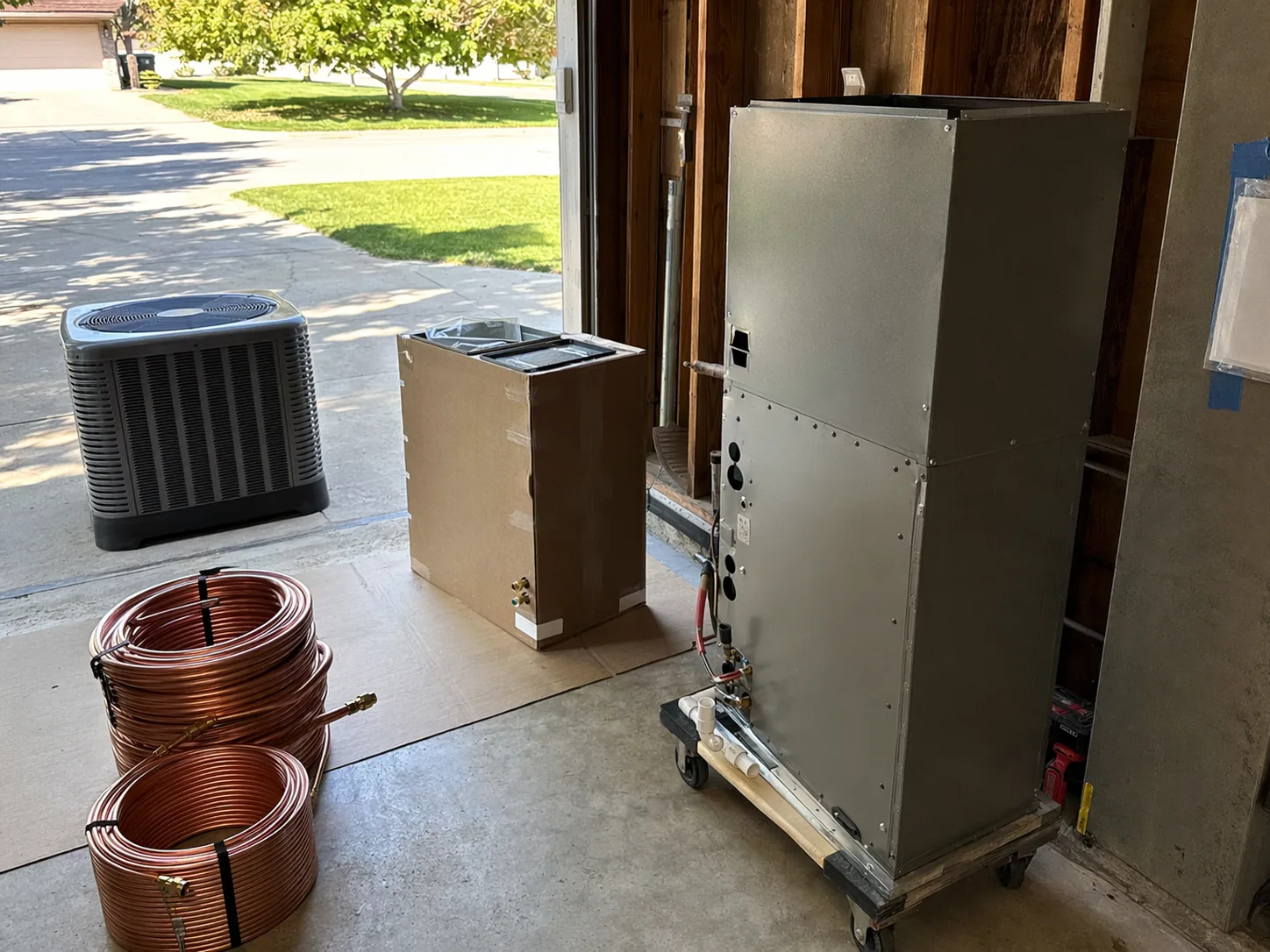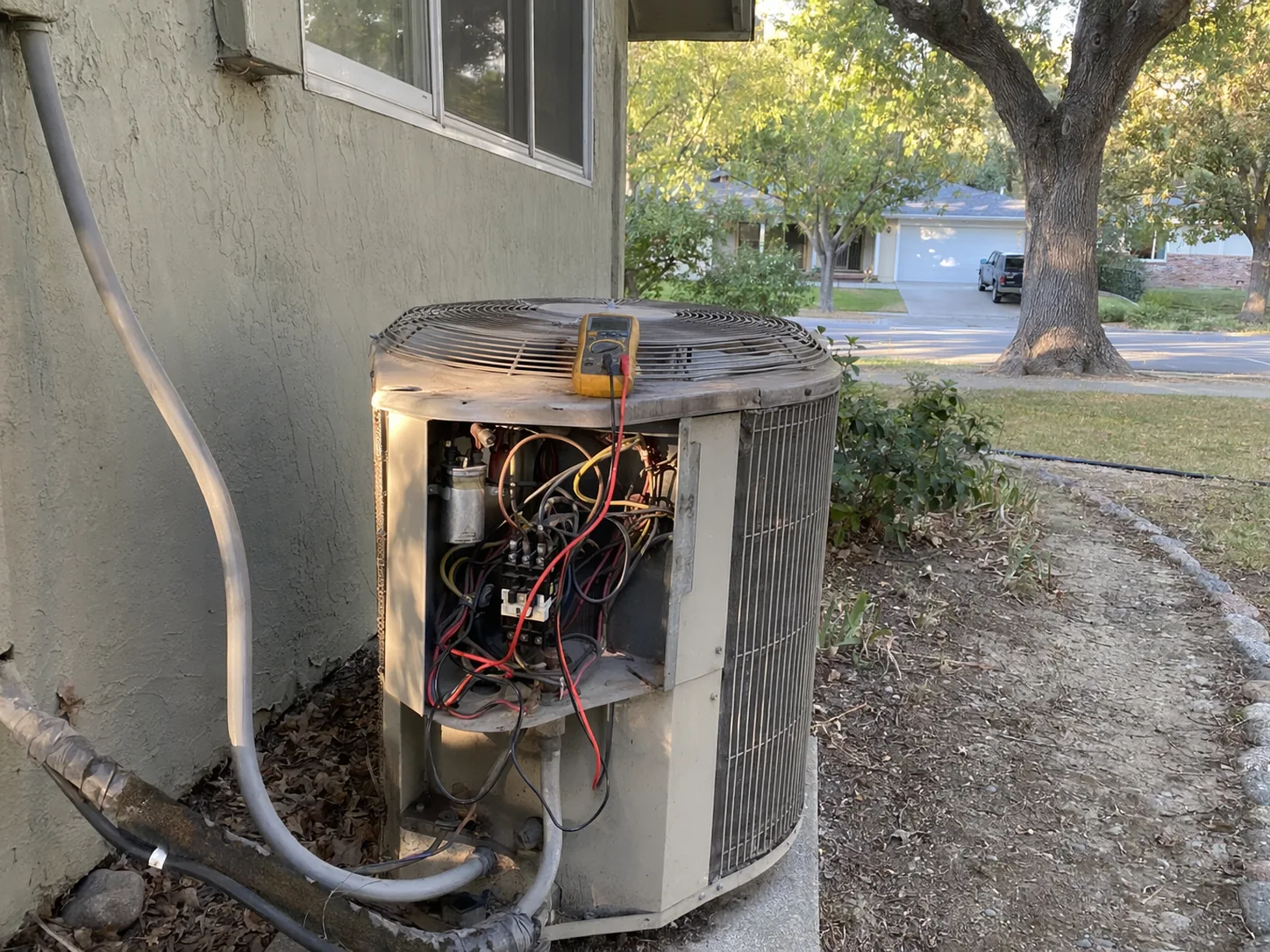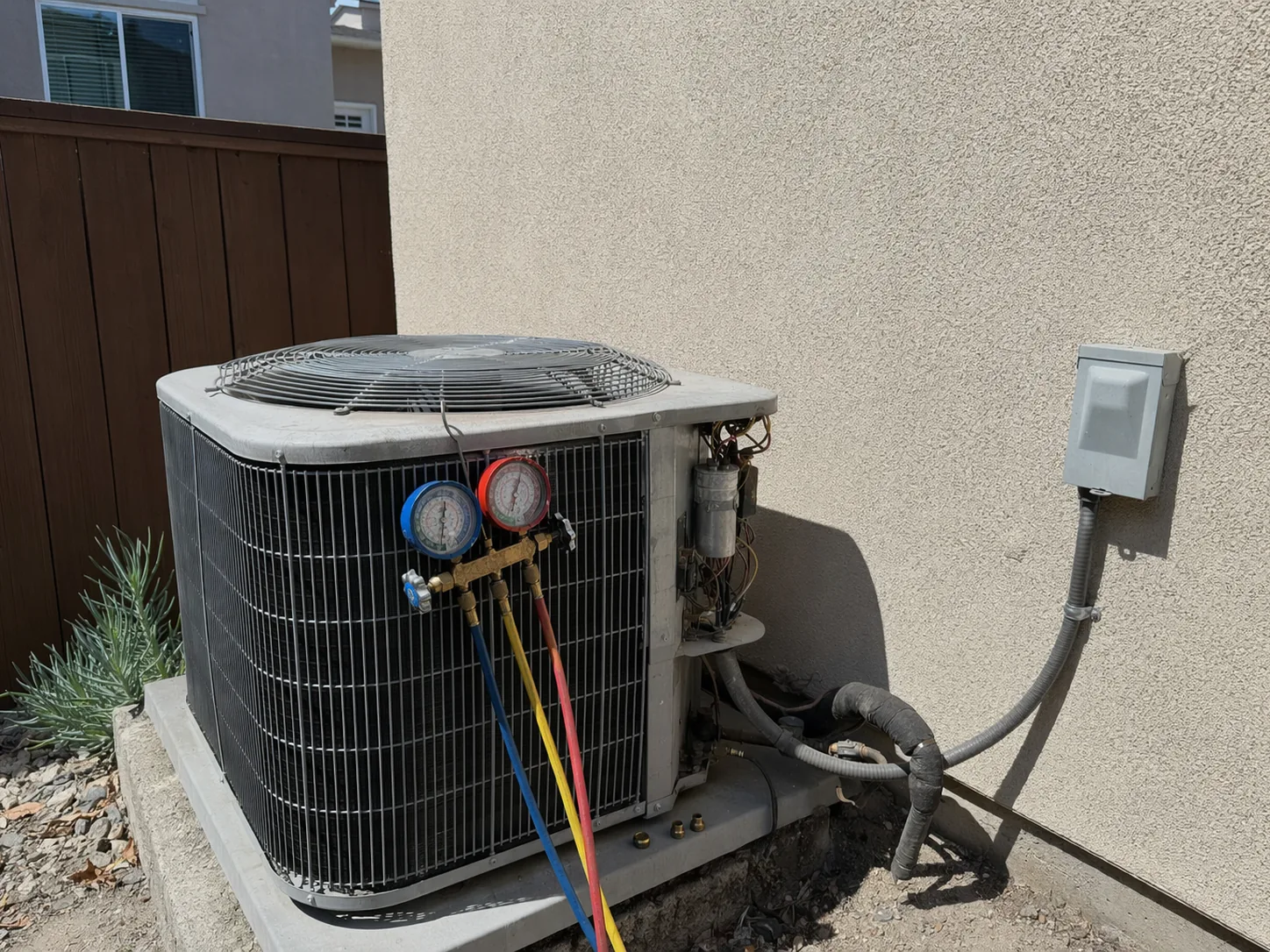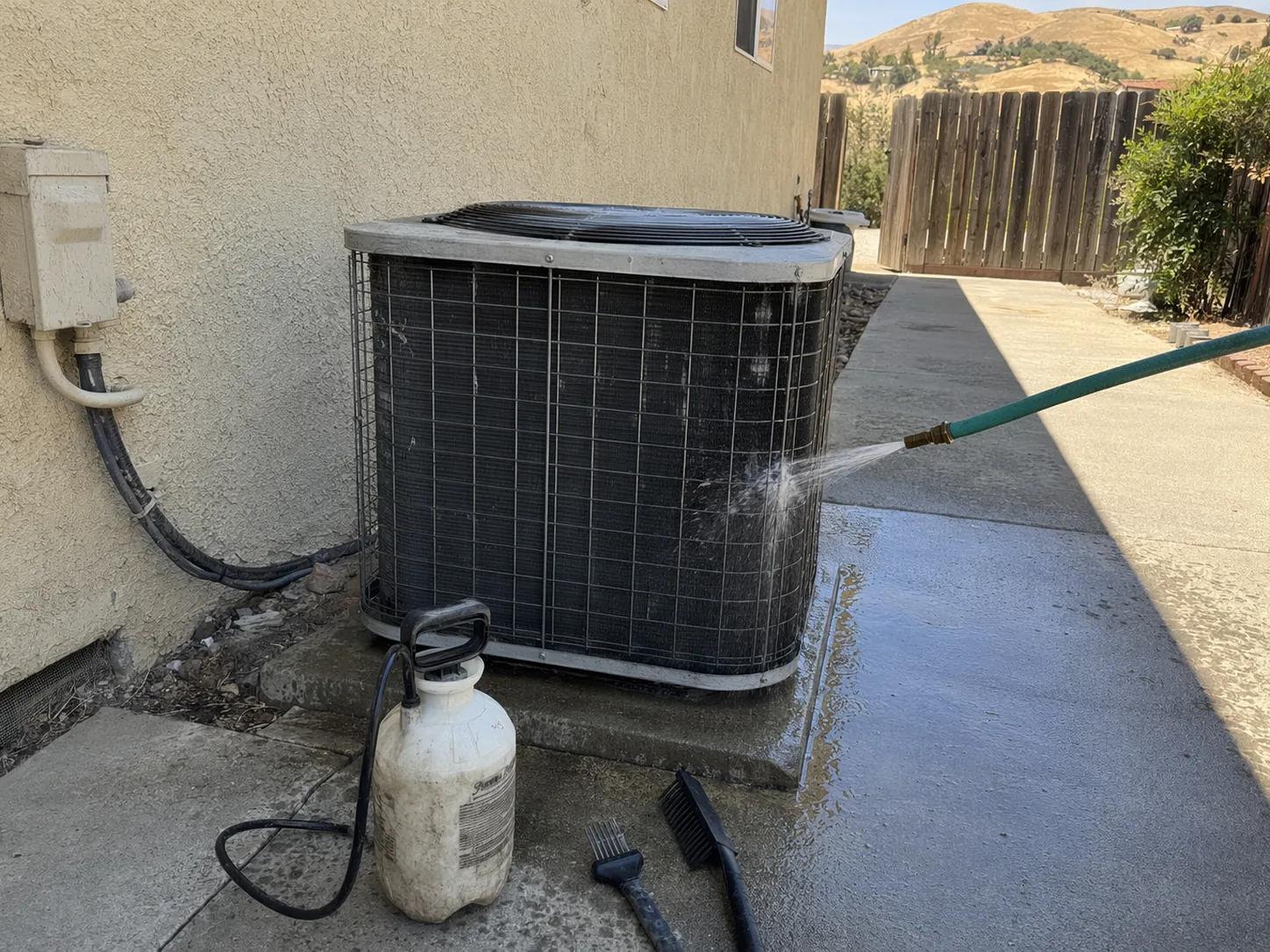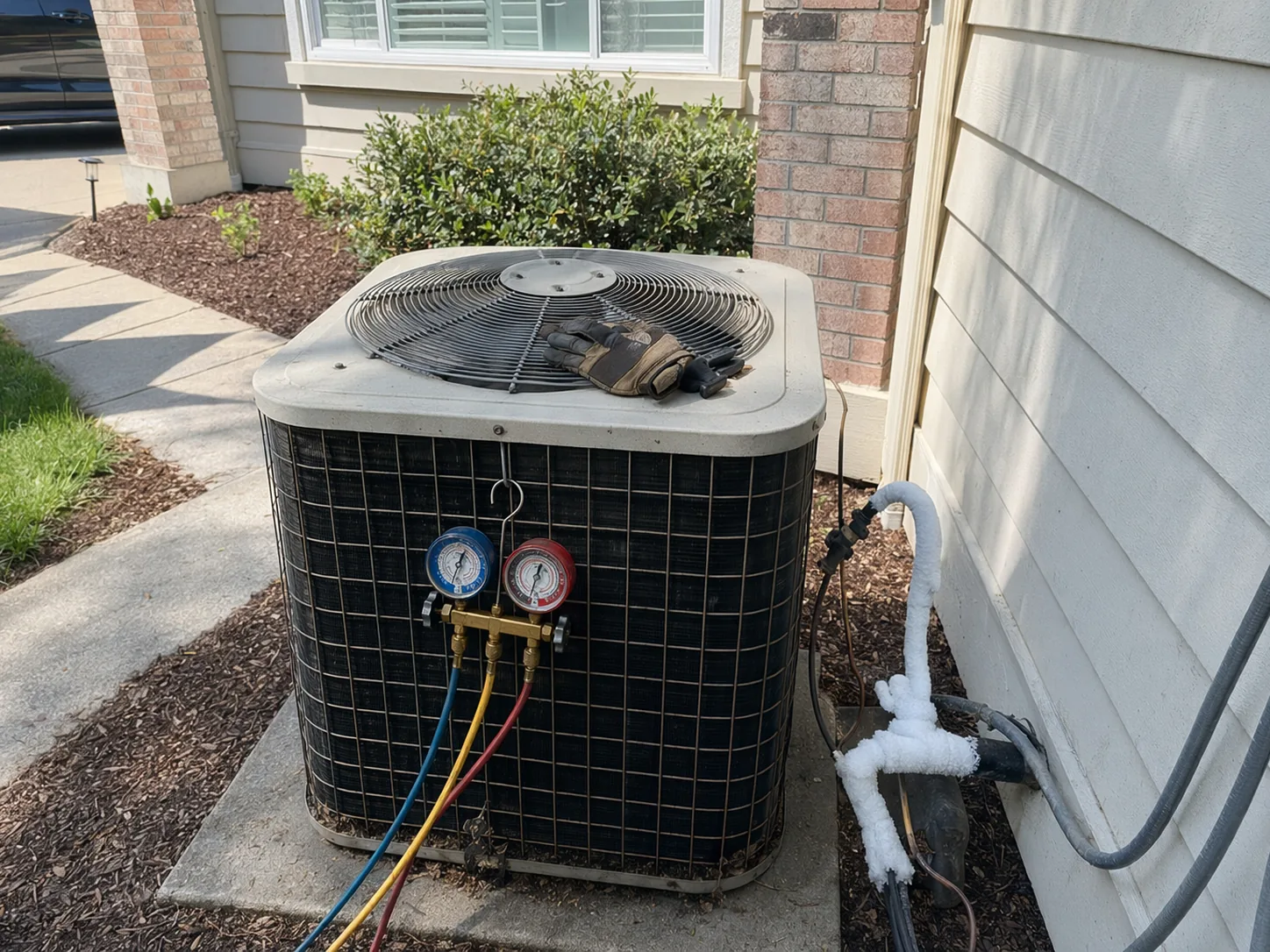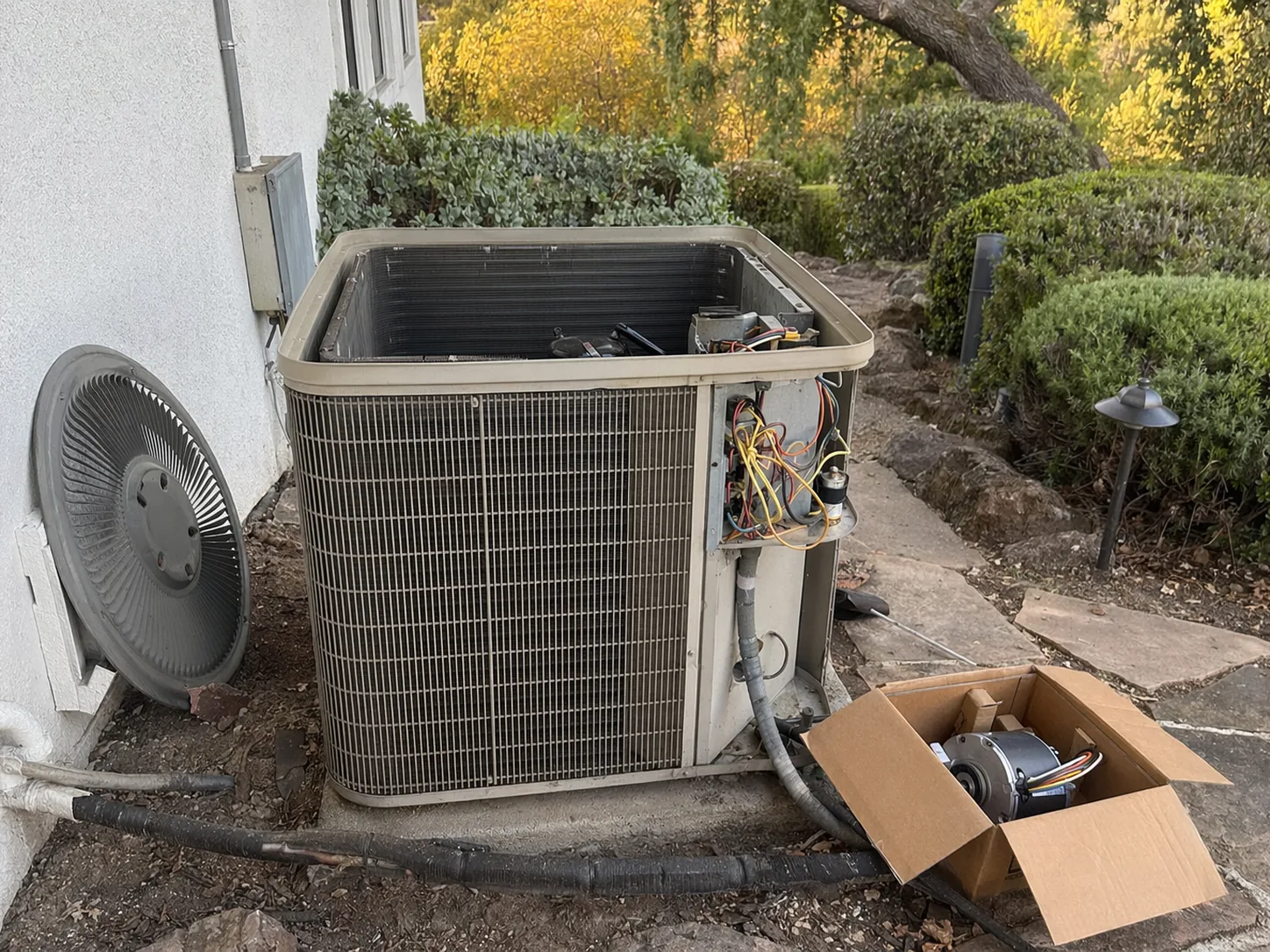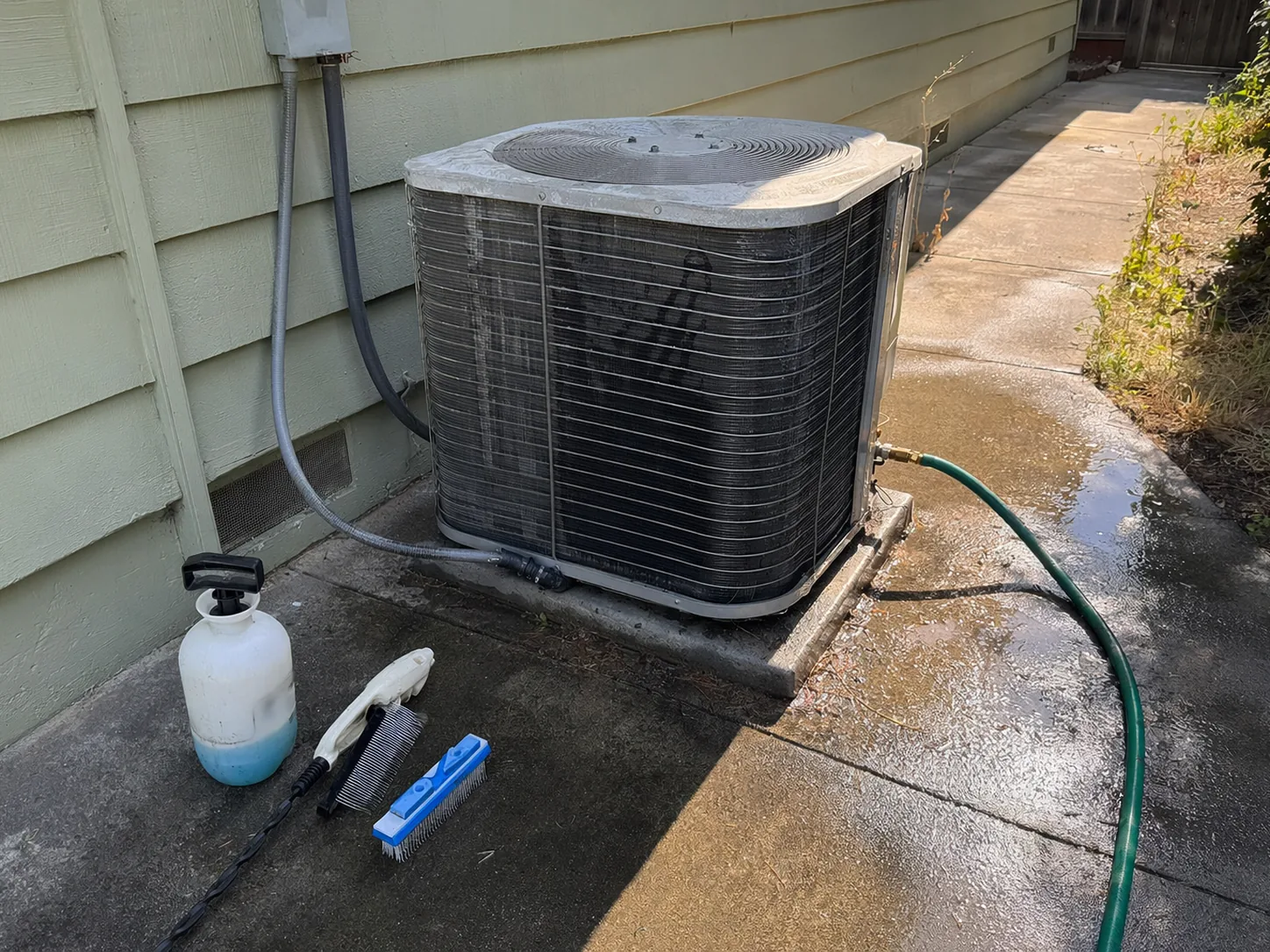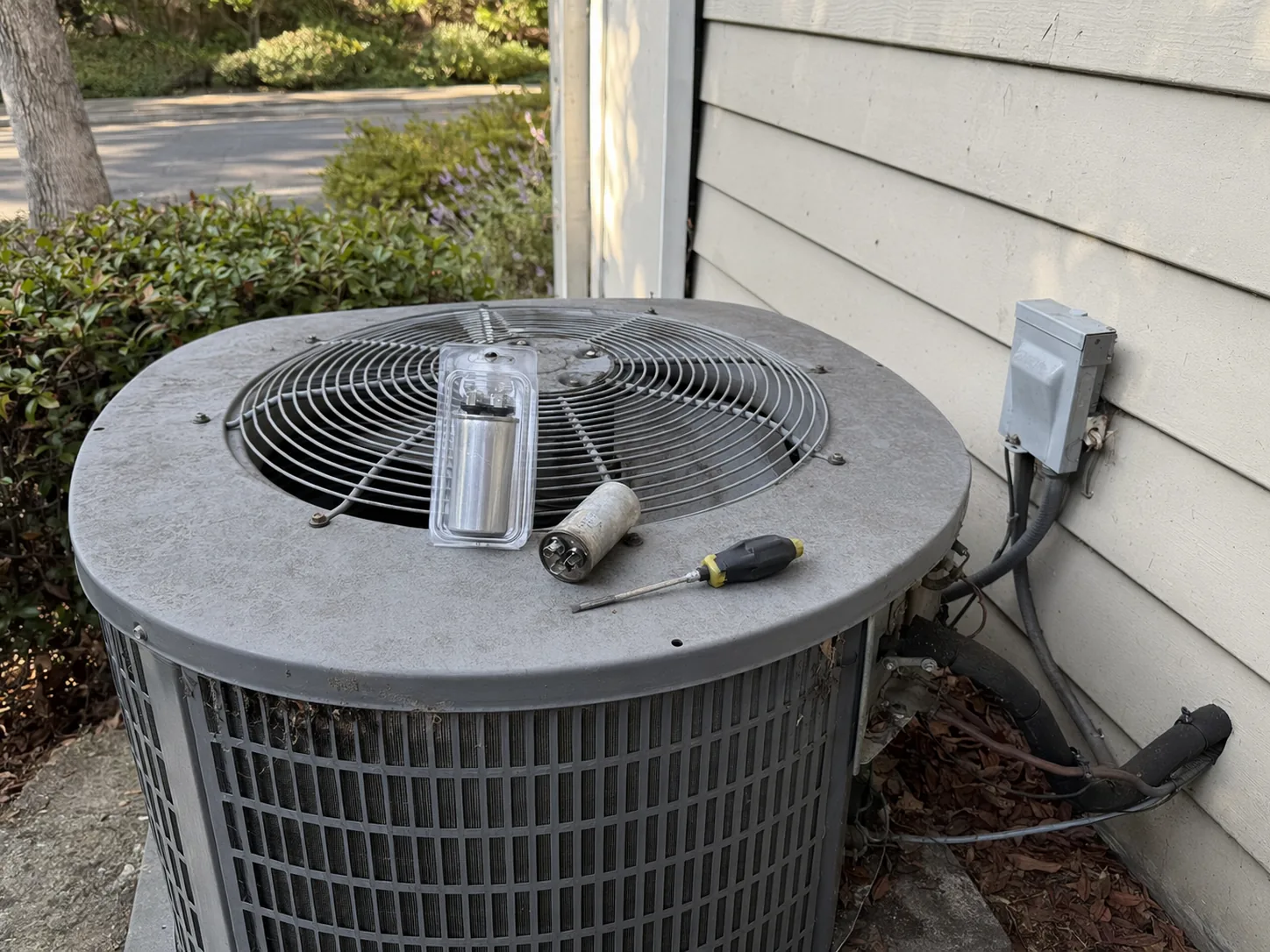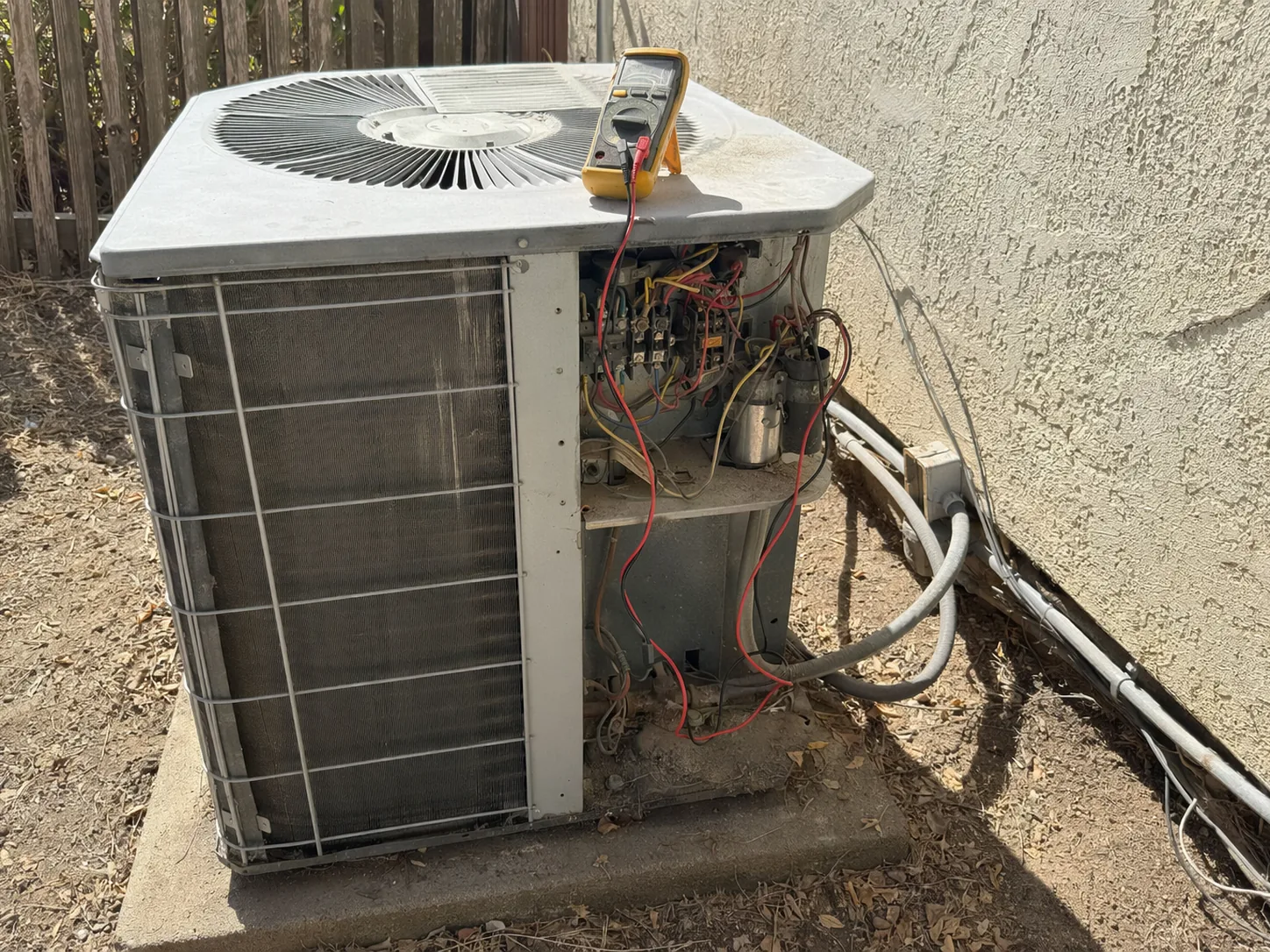
Most expensive HVAC and refrigeration failures trace back to bad line work. Wrong sizing, no nitrogen purge during brazing, undetected leaks, contamination. The repair is fine. The install five years ago was the problem.
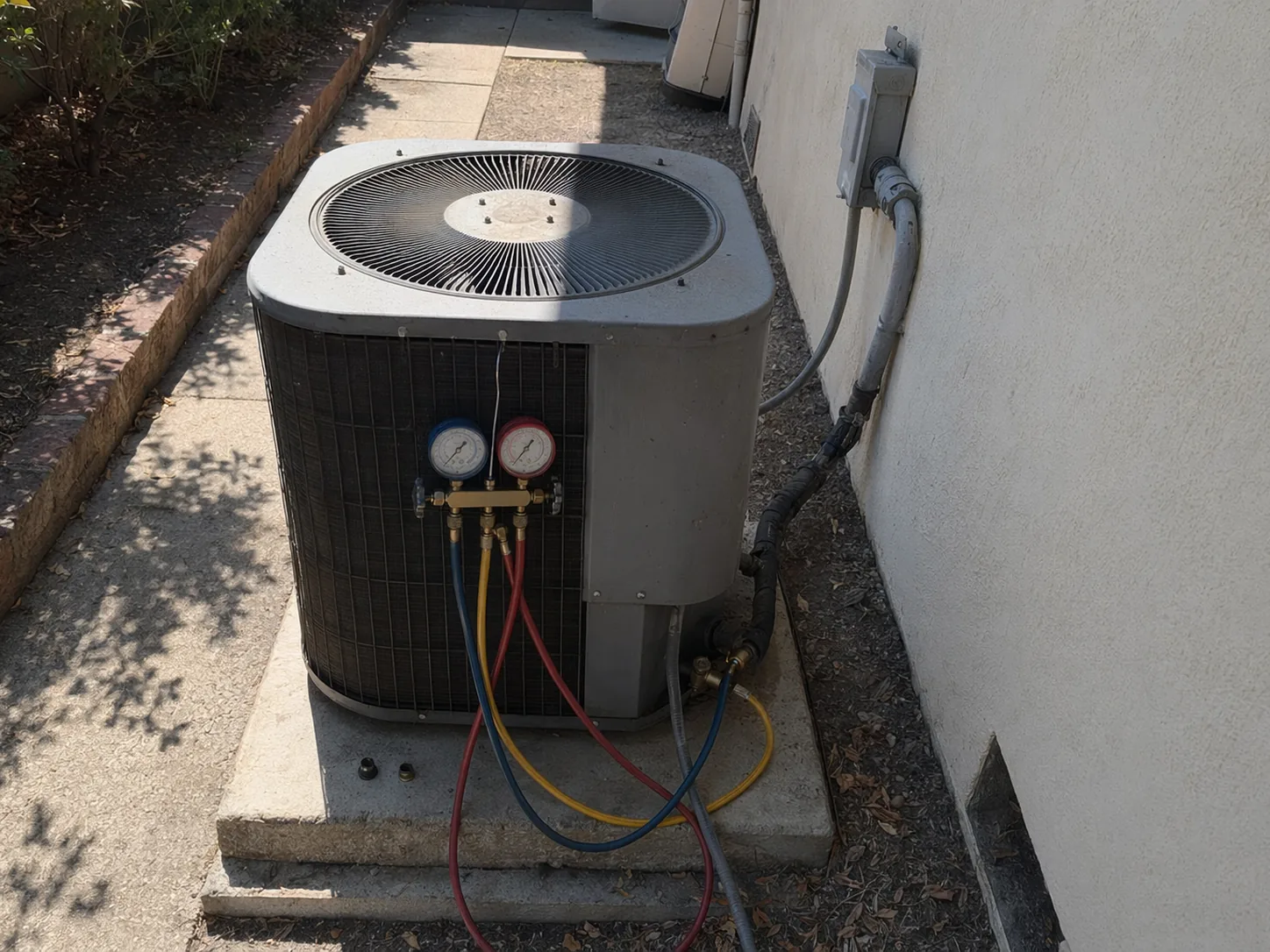
Onzone does refrigerant line set installation, brazing, pressure testing, leak detection, and EPA-certified recovery and recharge. For HVAC retrofits, mini-split installs, commercial refrigeration, and rooftop systems across the Bay Area.
A crushed or kinked refrigerant line can restrict flow, reduce cooling capacity, and stress the compressor during Bay Area heat.
Oil staining, low pressures, or repeated recharge calls can point to pinhole leaks at poorly brazed copper fittings.
Black scale inside line sets often comes from brazing without nitrogen purge, leading to metering device and compressor damage.
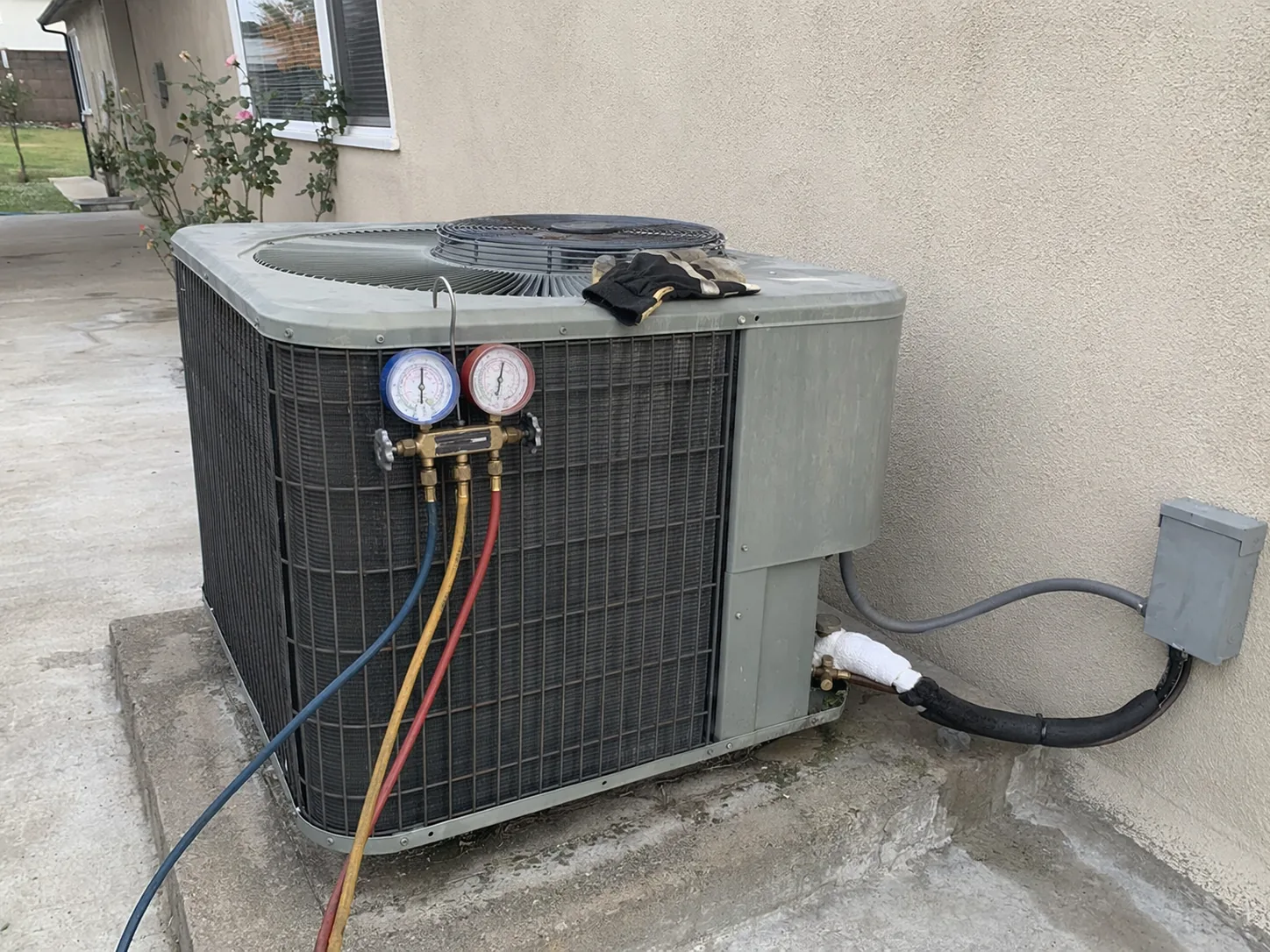
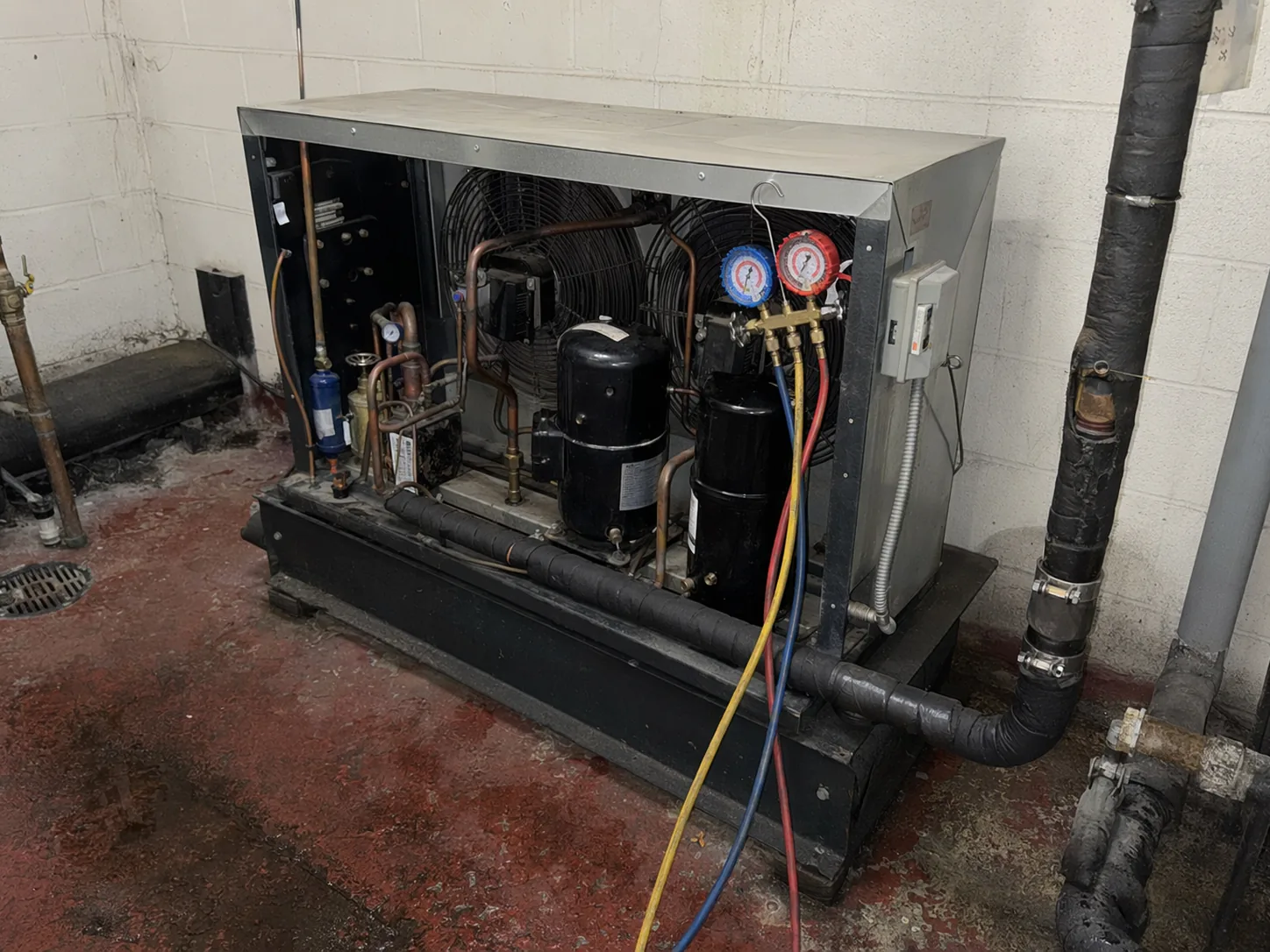
Short cycling, warm supply air, or high head pressure may follow incorrect recovery, evacuation, or EPA 608 compliant recharge work.
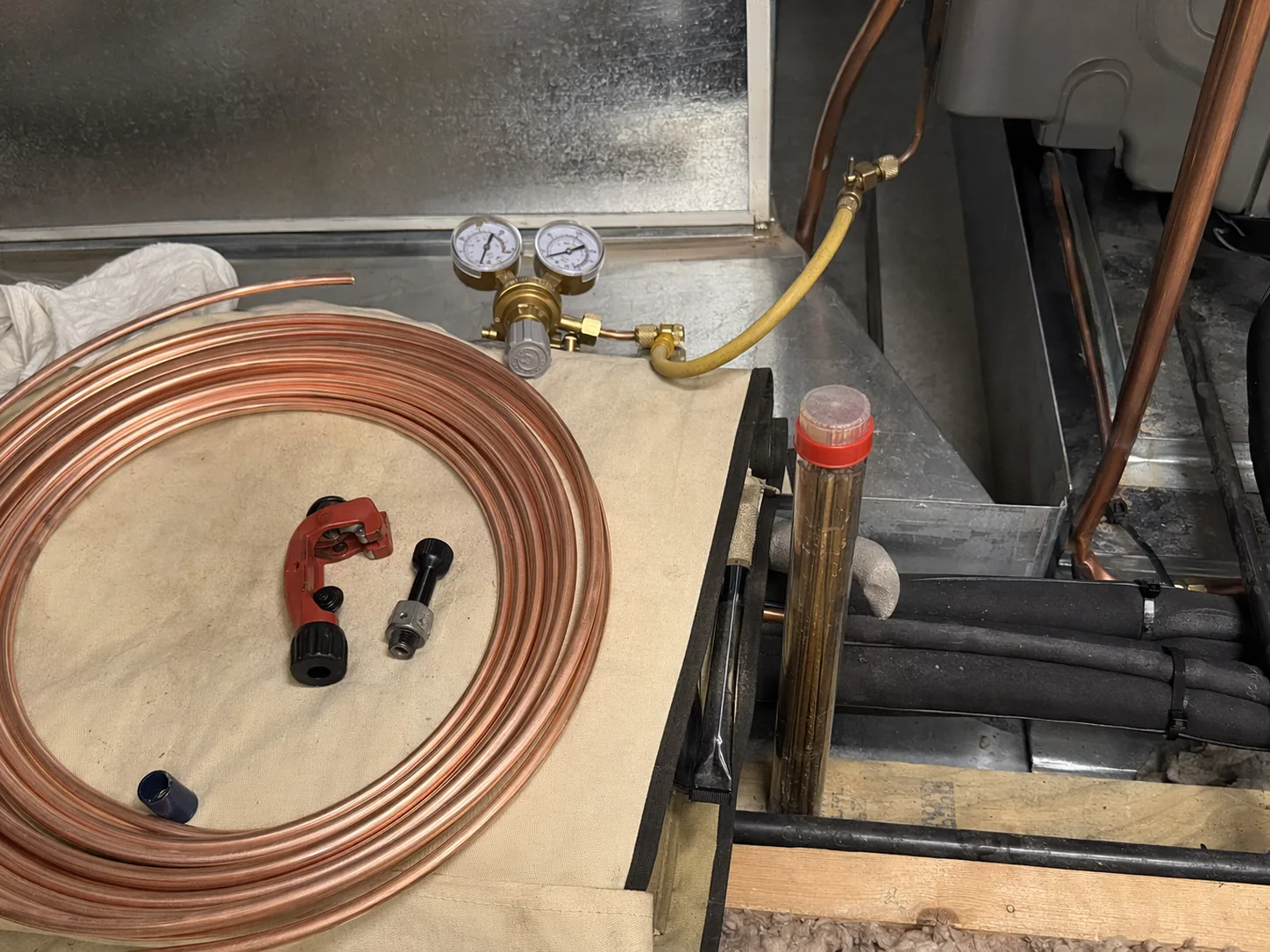
Skipping nitrogen purge during brazing causes copper oxide scale inside the line set. That scale travels through the system and damages compressors and metering devices. We never skip it.
The 2025 to 2026 refrigerant phase-in moved most new equipment to mildly flammable A2L refrigerants (R-454B, R-32). We have updated tools, training, and procedures. Most shops have not.
Proper vacuum is below 500 microns and holds. A "looks good" 10-minute pump-down leaves moisture in the system, which forms acid, which destroys compressors. We use a real micron gauge on every install.
HVAC retrofits where the condenser moves, mini-split installs in older homes where line set routing is the bulk of the work, suspected line set leaks, condenser replacements where the old line set is too old to reuse, and any commercial refrigeration line work. Most jobs are bundled with an install or repair; some are standalone.
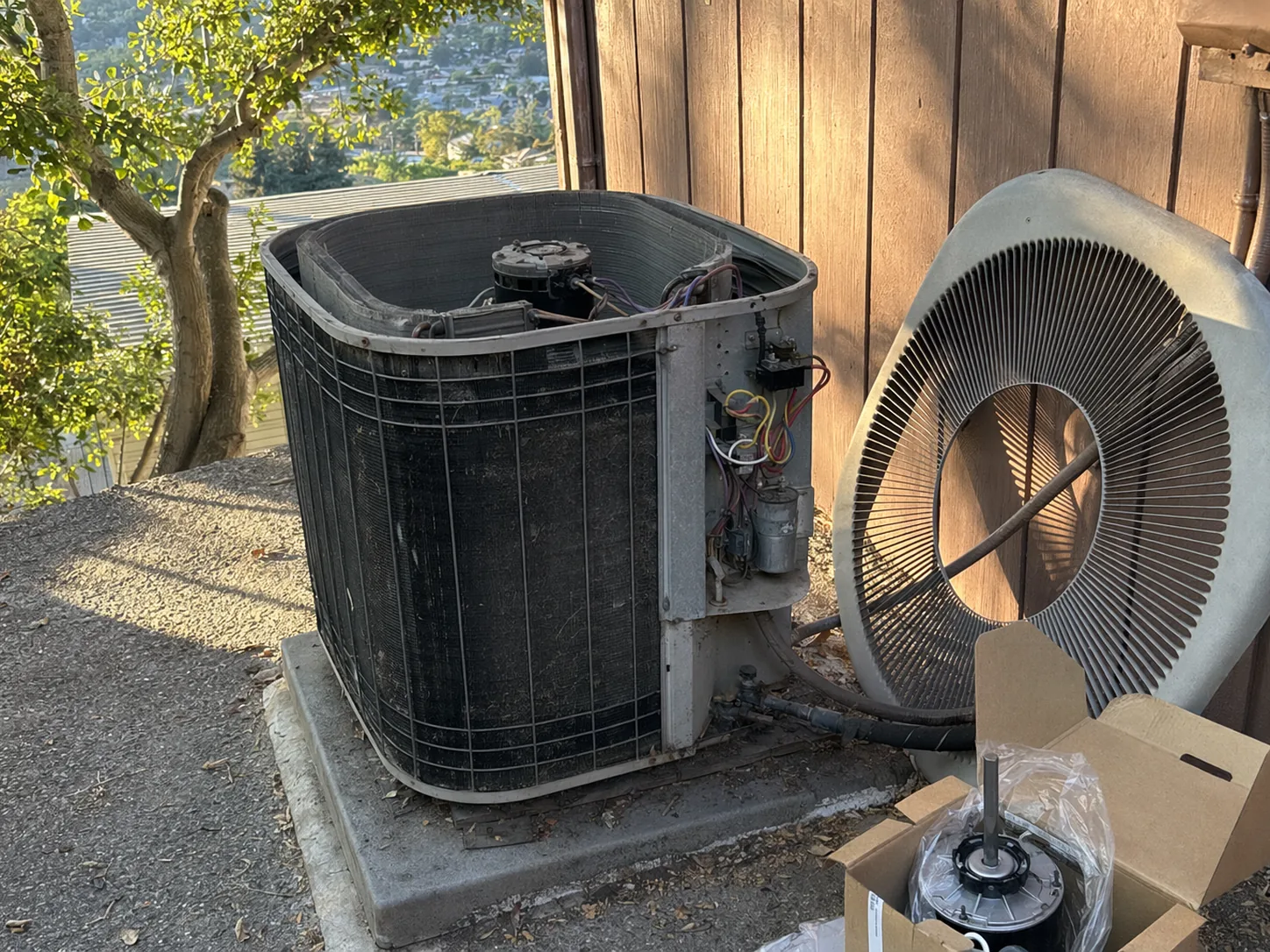
The refrigerant loop is the heart of the system. Contaminated lines, undersized lines, or improper brazing show up as compressor failures and weird symptoms years later, long after the original installer is gone. Done right, copper line work lasts the life of the system.
R-22 has been phased out for new equipment for years. We still service older R-22 systems where appropriate but always price the conversation: at some point a system old enough to use R-22 is usually a replace-not-retrofit conversation. EPA-certified recovery on every disconnection.
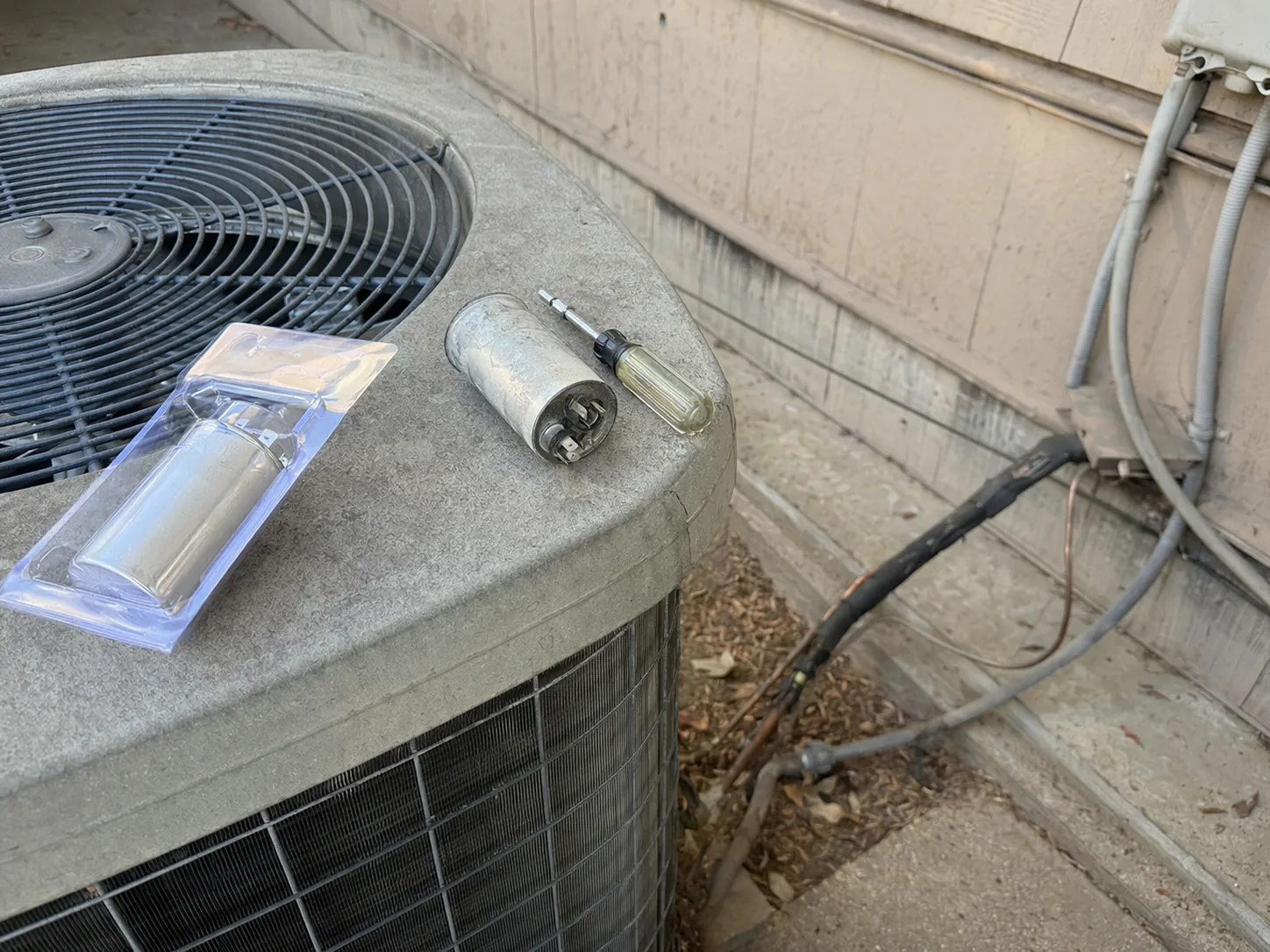
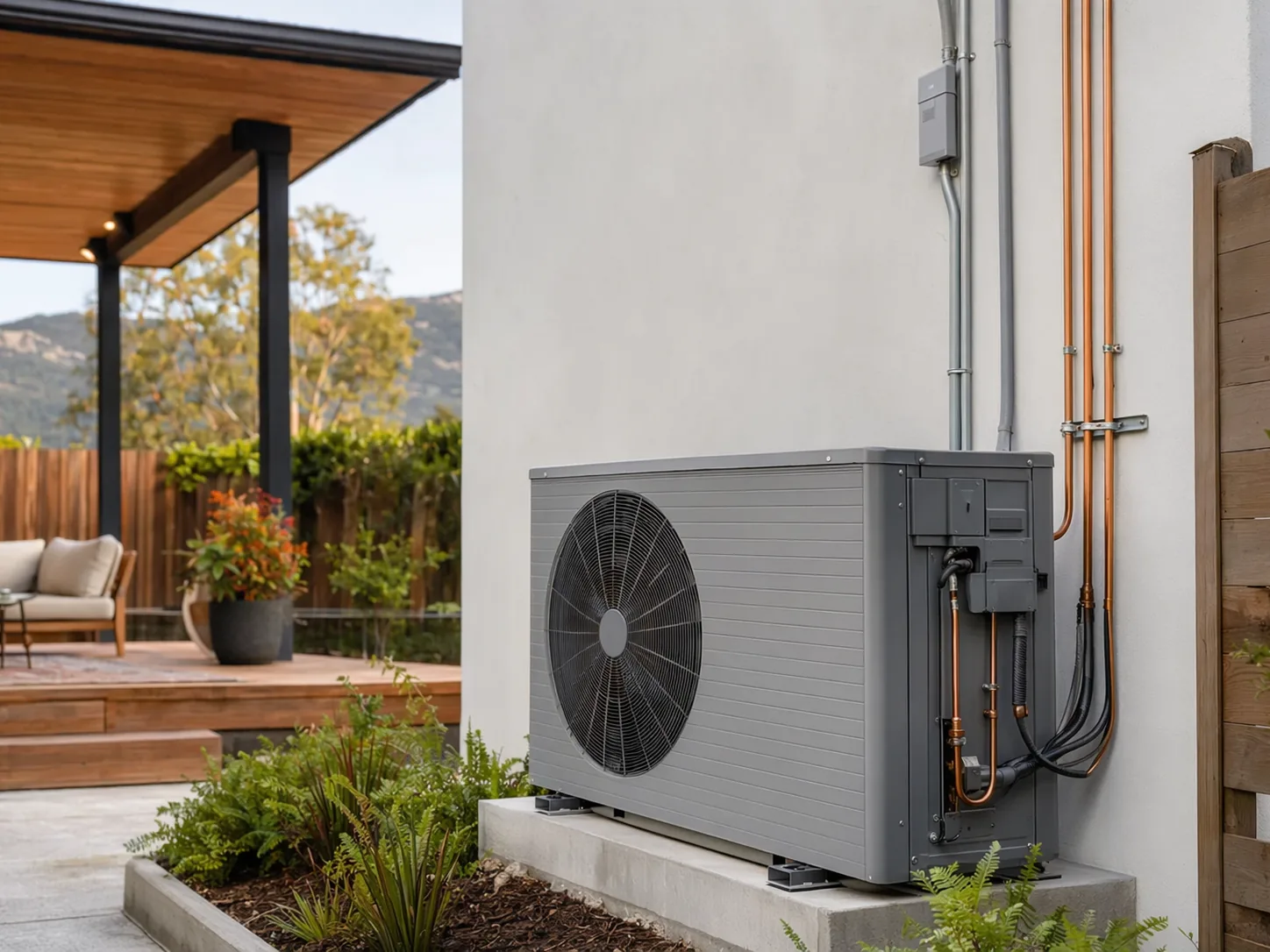
Yes. Exposed runs get UV-stable line set cover (not bare insulation), proper fastening, and clean routing. Done right, the line work blends into the wall instead of hanging off it.