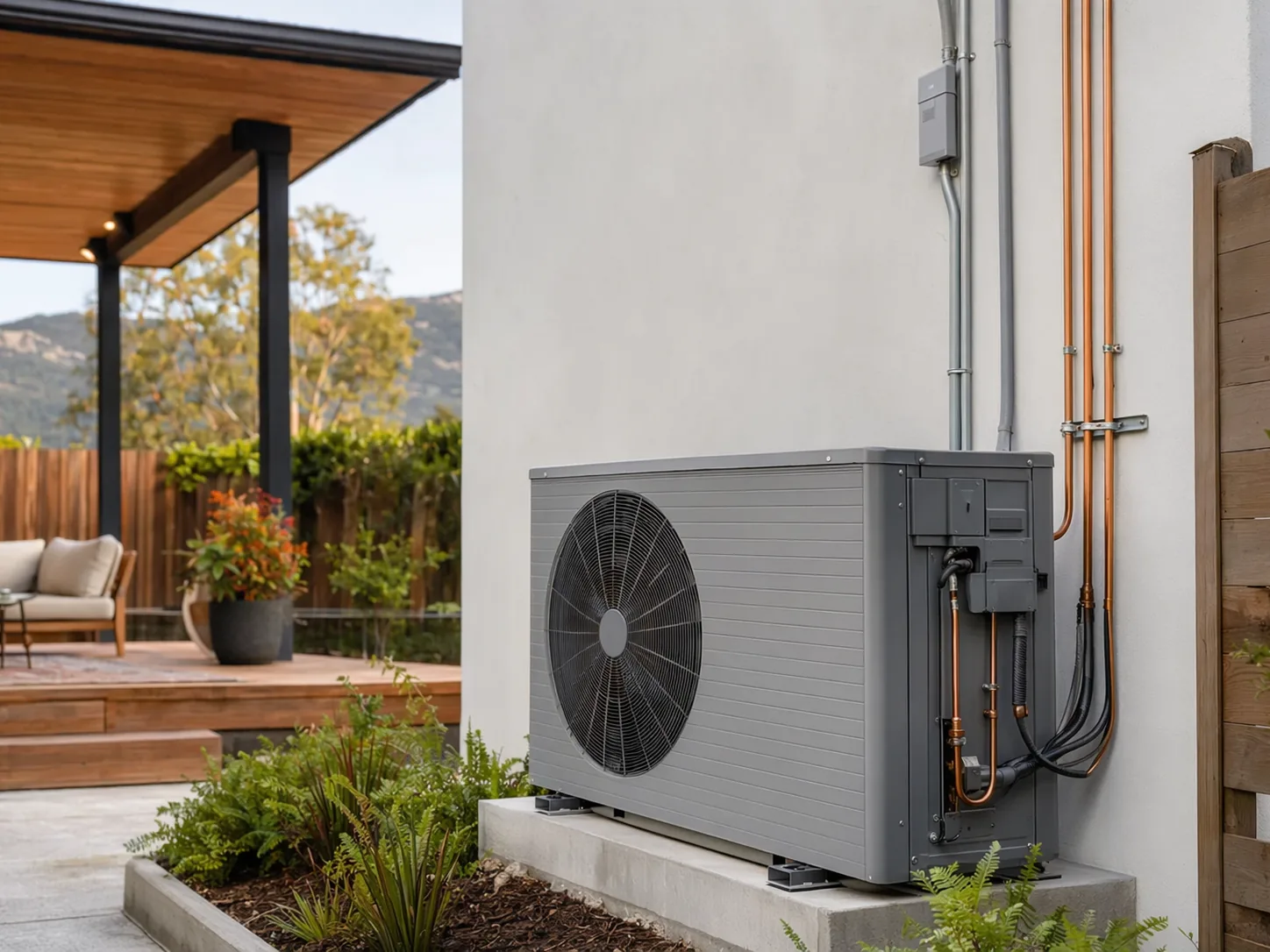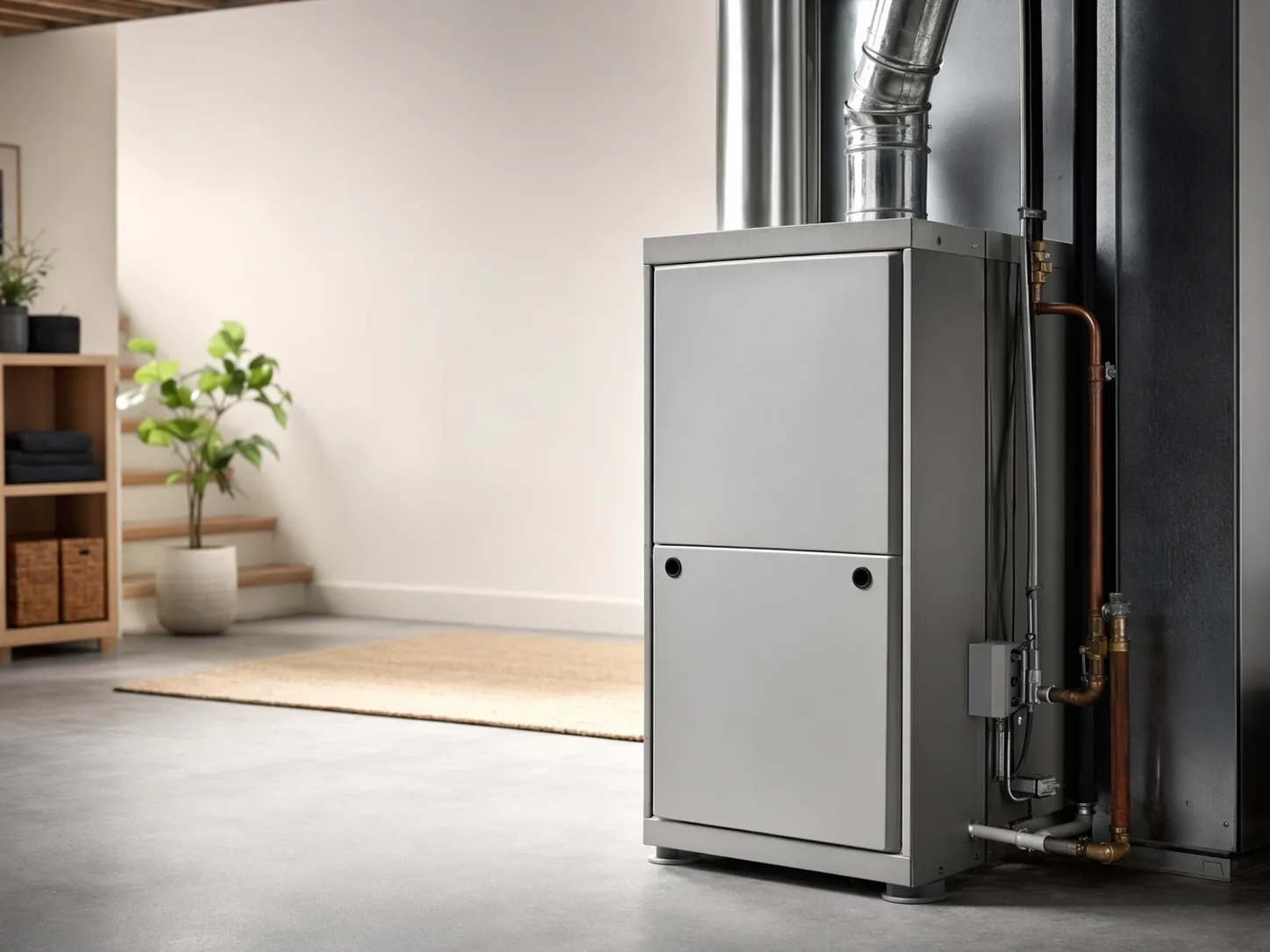
You turn on the furnace and the house smells wrong - dusty, burnt, smoky, musty, or like rotten eggs. Some odors are normal after a Bay Area furnace sits unused through a long mild season. Others mean stop the system, leave the house, or get a tech involved before you run it again.
The right move depends on the smell, how strong it is, when it happens, and whether it fades. A light dust smell on the first cold night in Pleasanton is one thing. Sulfur, electrical, smoke, exhaust, or burning plastic is different.
First check: name the smell and timing
Start with the smell itself. HVAC techs do not diagnose by odor alone, but a clear description helps point the inspection in the right direction.
Common furnace smell complaints include:
- Dusty or warm dust smell
- Burning plastic or rubber smell
- Sharp electrical smell
- Smoke smell
- Sulfur or rotten egg smell
- Exhaust or flue gas smell
- Strong musty or mildew smell
- Chemical-like smell
Timing matters. Does it happen only on the first heat cycle of the season? Does it come back every time the burners light? Does it happen only when the blower fan runs? Is it strongest near the furnace, at one supply vent, or near the return grille?
In Pleasanton, Dublin, Livermore, San Ramon, and nearby Tri-Valley homes, furnaces can sit mostly unused for months. Dust builds up. Filters get forgotten. Return grilles collect pet hair. Then the first real cold stretch hits and the furnace runs for hours.
If the smell points to combustion, gas, smoke, or electrical trouble, do not keep testing the furnace. Shut it down and schedule furnace repair and heating service.
Dusty smell at first startup
A light dusty smell at the first startup of the season is common. Dust settles on the heat exchanger, burners, blower area, and sometimes inside the supply ducts. When the furnace heats up, that dust can burn off and create a dry, warm odor.
That smell should fade quickly. If it is mild, there is no smoke, no alarm, and the furnace runs normally, it may just be seasonal startup dust.
Do these safe checks first:
- Replace a dirty furnace filter.
- Make sure return grilles are not blocked by furniture or rugs.
- Open supply vents that may have been closed.
- Look at visible register covers for heavy dust buildup.
- Check whether the smell comes from every vent or one room only.
Most 1-inch furnace filters should be checked monthly and are commonly replaced about every 1 to 3 months. The real schedule depends on the filter type, dust load, pets, remodeling work nearby, and how often the system runs.
Call for service if the dusty smell comes back every cycle, the airflow feels weak, the furnace short cycles, or the odor changes to smoke, burning plastic, or an electrical smell. Weak airflow plus heat can turn a simple filter problem into an overheating problem.
Burning plastic, electrical, or smoke smell
If the smell is sharp, electrical, rubbery, smoky, or does not fade, shut the furnace off. Do not keep running it to see if it clears.
Possible causes include:
- Overheated blower motor
- Failing capacitor
- Loose or damaged wiring
- Worn belt on older belt-driven equipment
- Severely clogged air filter
- Debris near hot components
- Furnace overheating from restricted airflow
Restricted airflow is a common problem in Bay Area homes. A furnace needs enough air moving across the heat exchanger. If the filter is packed, return airflow is blocked, or the blower is not moving enough air, the furnace can get too hot. Safety limits may shut the burners down, but that does not mean the system is safe to keep using.
A burning electrical smell can come from a motor winding, control board, transformer, wiring connection, or blower compartment issue. Smoke or melted plastic should be treated seriously.
Turn the thermostat to off. If you can safely reach the furnace service switch, turn the furnace off there too. Then schedule Bay Area furnace inspection and repair before running it again.
Rotten egg, exhaust, musty, or chemical smells
A sulfur or rotten egg smell near the furnace, gas line, meter, water heater, fireplace, or anywhere inside the home should be treated as a possible gas leak.
Natural gas is odorless. Utilities add odorants such as mercaptan so leaks smell like sulfur or rotten eggs.
If you suspect a gas leak:
- Leave the building right away.
- Do not use light switches.
- Do not use phones inside the house.
- Do not turn appliances on or off.
- Do not use the garage door opener.
- Do not light candles, matches, or a lighter.
- Do not try to find the leak yourself.
- Move a safe distance away from the home.
- Call 911 or PG&E from outside.
PG&E's emergency gas leak line is 1-800-743-5000.
Do not restart the furnace. Do not relight pilots. Do not open panels to investigate. Wait until the utility or a licensed professional says the home and equipment are safe.
Exhaust-like smells are also serious. A furnace should vent combustion gases outside. If you smell exhaust, flue gas, or a hot combustion odor, shut the system off and get it checked. Possible concerns include venting problems, flame rollout, poor combustion, blocked flue passages, or heat exchanger damage.
Carbon monoxide is colorless and odorless, so smell is not a reliable warning. You can have a combustion safety issue without smelling anything. California requires carbon monoxide alarms in dwelling units with fossil-fuel-burning appliances, fireplaces, or attached garages. If your furnace burns gas, your CO alarms need to be installed, powered, and working.
Musty smells are different. They can come from damp ductwork, a dirty evaporator coil, standing water near the system, a clogged condensate drain on high-efficiency equipment, or microbial growth around the air handler or furnace cabinet. That does not always mean the furnace is unsafe, but if the smell gets worse when the blower runs, the system may be spreading that odor through the air path.
Chemical-like smells can come from stored products near the furnace, a dirty burner area, overheated materials, or other household sources. Do not store paint, solvents, pool chemicals, gasoline, or cleaning products near a furnace. If the odor is strong or new, shut the system down and have it checked.
What to do before you call
There are a few safe things a homeowner can check before calling a tech:
- Replace the air filter if it is dirty.
- Confirm supply vents are open.
- Make sure return grilles are clear.
- Check the thermostat mode and temperature setting.
- Look for dust buildup around registers.
- Note when the smell happens - startup, blower only, every heat cycle, or after long runtime.
- Check that CO alarms have power and are not expired.
Do not open gas lines. Do not bypass safety switches. Do not tape door switches. Do not keep running a furnace with a sulfur, smoky, electrical, or burning plastic smell.
A furnace should be serviced once per year, ideally before the heating season. In Pleasanton and the Tri-Valley, that means getting it checked before the first run of cold nights, not after the system has already started short cycling or tripping limits.
During a service call, a tech can inspect burners, ignition, heat exchanger condition, blower operation, filter fit, venting, gas connections, flame behavior, limit controls, and electrical components. That is how you separate normal startup dust from a real safety problem.
Talk to an Onzone tech
If the furnace smell is sulfur, electrical, smoky, exhaust-like, or keeps coming back, stop running the system. If you are not sure whether it is normal startup dust or a safety issue, treat it carefully.
Onzone Heating & Cooling serves Pleasanton, the Tri-Valley, and nearby Bay Area homes. Call (650) 698-7979 to talk through what you are smelling and schedule heating service for your furnace.